 Contact Us
 Appointment

Popular Products
Book An Appointment
Get in touch with our jewellery experts for virtual consultation
Conflict Free Diamonds
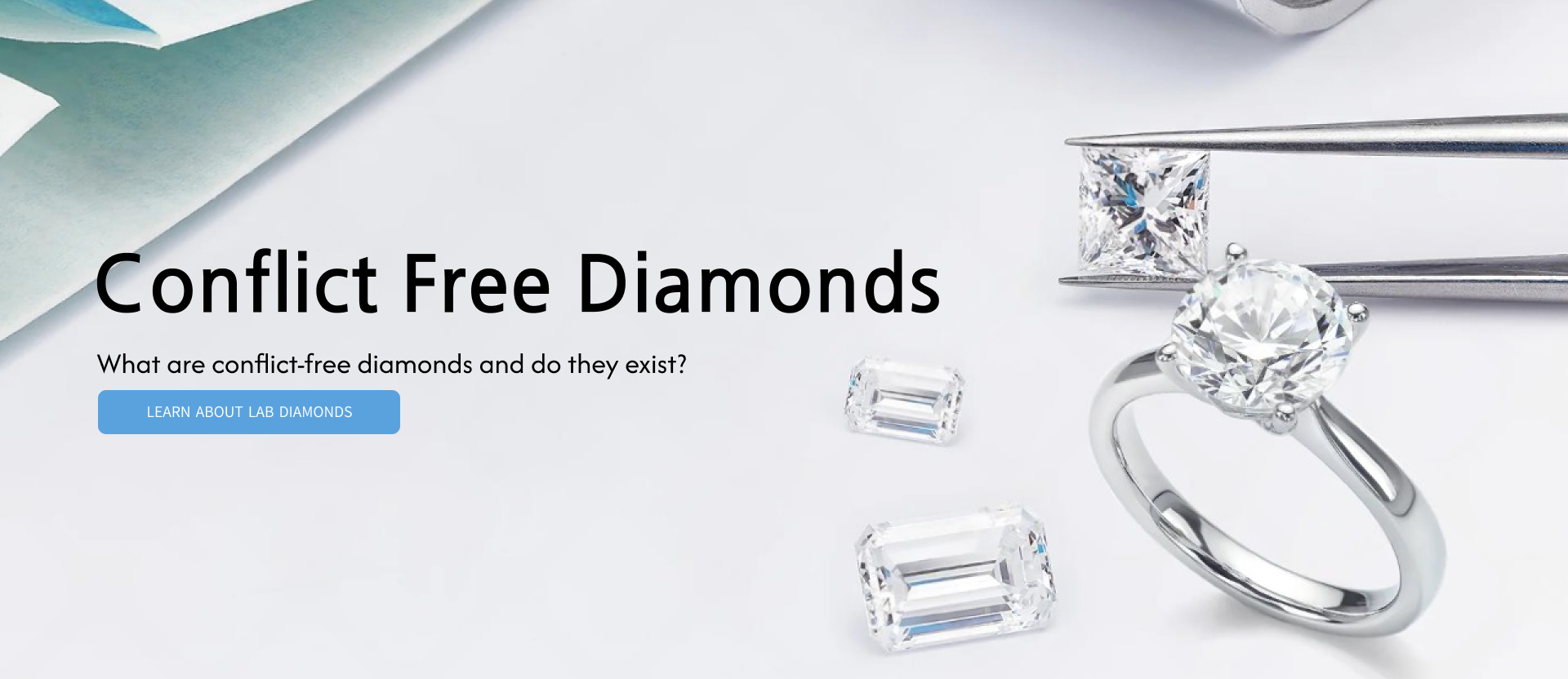
Ethical Diamonds You Can Trust, From Origin to Ownership
Conflict-free diamonds are diamonds that have not funded war, violence, or human rights abuses at any point between their origin and the store. Lab-grown diamonds are the only option where this is certain, because they are created in a controlled laboratory and never pass through a mine or a conflict zone.
For most buyers, a diamond marks a moment that matters: an engagement, a wedding, a milestone, a gift to yourself. The last thing anyone wants is uncertainty about where that stone came from. This page explains what conflict diamonds are, why mined diamonds are hard to verify, and how lab-grown diamond jewellery offers a fully ethical alternative.
Where the Problem Began
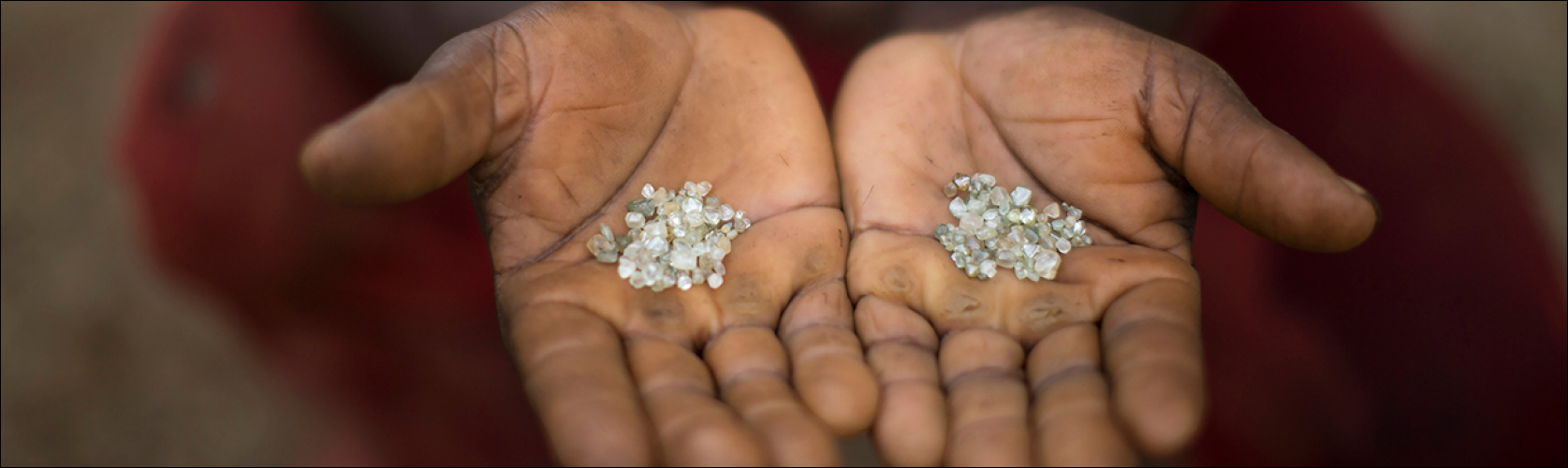
Conflict diamonds, often called blood diamonds, are stones mined in areas controlled by rebel forces or criminal groups. Money from their sale has been used to fund armed violence and human rights abuses. During the civil war in Sierra Leone in the 1990s, for example, rebel forces used diamond revenue to buy weapons and pay fighters.
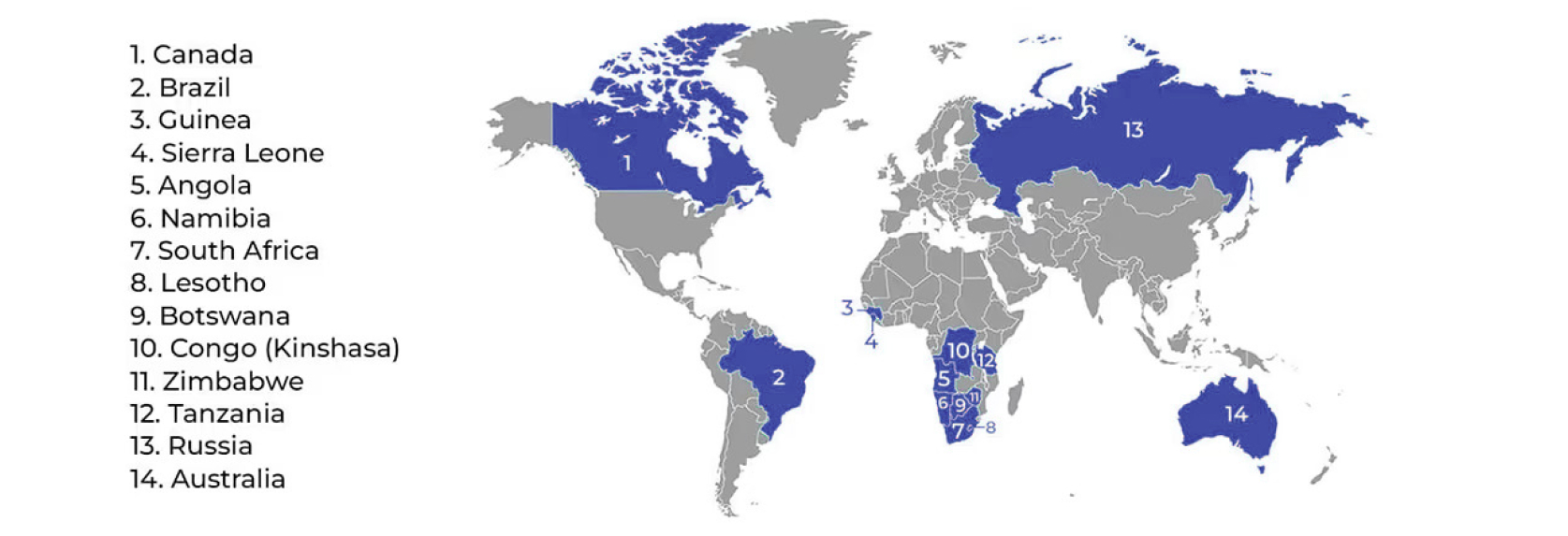
The concern goes beyond war zones. In many regions where natural diamonds are mined, workers face unsafe conditions and low wages. Diamonds are also mined in Russia, Canada, and Australia, not only Africa. Some countries have questioned whether revenue from Russian diamond production supports military action, which shows that “ethical” can change with global events, not just with geography.
The Limits of the Kimberley Process
The Kimberley Process (KP) is a voluntary international certification scheme set up by the diamond industry in 2003 to stop the trade in conflict diamonds. Participating countries certify that the rough diamonds they export are free of conflict links.
It has reduced the number of conflict stones on the market, but it has significant gaps. It certifies a country’s export rather than tracing an individual stone. Critics say diamonds from war zones and other harmful settings still reach international markets. So a Kimberley Process certificate is an improvement, but it cannot guarantee that a specific mined diamond is entirely conflict-free.
.jpeg)
Why a Mined Diamond Is So Hard to Trace
Every year, hundreds of thousands of rough diamonds mined in Africa are shipped abroad for cutting, polishing, and grading. Along the way, one stone can change hands 20 to 30 times before it reaches a jewellery counter.
Each handover blurs the stone’s origin. Once a rough diamond has been cut and polished in another country, its true source becomes almost impossible to confirm. That is why many mining companies say they avoid conflict stones but cannot fully prove it. For a natural diamond, “conflict-free” is often a claim, not a verified fact.
What Ethical Sourcing Means Beyond the Diamond
A truly responsible piece of jewellery covers more than the centre stone. These are the commitments behind every piece:
- Lab-grown diamonds only:
Lab-grown diamonds are guaranteed to be conflict-free, a reassurance that mined diamonds cannot always provide. Mined diamonds may come from regions affected by war crimes, human trafficking, or genocide, whereas lab-grown diamonds are produced artificially, avoiding these ethical dilemmas.
- 96% recycled gold:
Old, broken, or unwanted gold is refined into new designs, which reduces the need for fresh gold mining.
- Recyclable packaging:
Every order ships in 100% recyclable packaging made from biodegradable materials, with plantable seeded cards.
- Carbon credits:
Investments in carbon credits offset part of the emissions from growing, cutting, polishing, and manufacturing.
The full picture of these practices is set out in the Sustainability Report.
How Lab-Grown Diamonds Remove the Risk
Lab-grown diamonds have no mine, no rough-trading chain, and no history in conflict regions. They are grown in controlled laboratories using one of two methods.
- HPHT (High Pressure High Temperature):
A small diamond seed is placed in pure carbon and exposed to heat of around 1500°C and extreme pressure, which recreates the conditions deep inside the Earth.
- CVD (Chemical Vapor Deposition):
A diamond seed sits in a sealed chamber heated to between 700°C and 1200°C, where carbon-rich gases such as methane break down and build up the crystal layer by layer.
Either method produces a diamond in a few weeks to several months, compared with the millions of years a natural diamond takes. The result is pure carbon with the same physical, chemical, and optical properties as a mined diamond. It has the same hardness (10 on the Mohs scale), the same crystal structure, and the same sparkle. Only specialised gemological equipment can tell the two apart. You can read a full explanation of both growing methods on the About Lab Diamonds page
How Your Purchase Is Verified
An ethical claim only matters if you can check it. Every piece of jewellery is certified by SGL Laboratory, and the brand is associated with IGI and GJEPC. Gold is hallmarked, and each diamond is graded on the 4Cs of cut, colour, clarity, and carat, which the 4Cs of lab-grown diamonds guide explains in detail.
Your certificate also protects your purchase later. Under the exchange and buy-back policy, lab-grown diamond jewellery can be exchanged within 30 days at 100% of the original purchase price, or sold back at 80% of the invoice value. Both exclude taxes and making charges, and both require the original invoice and certificate.
Choosing a Conflict-Free Piece for Every Occasion
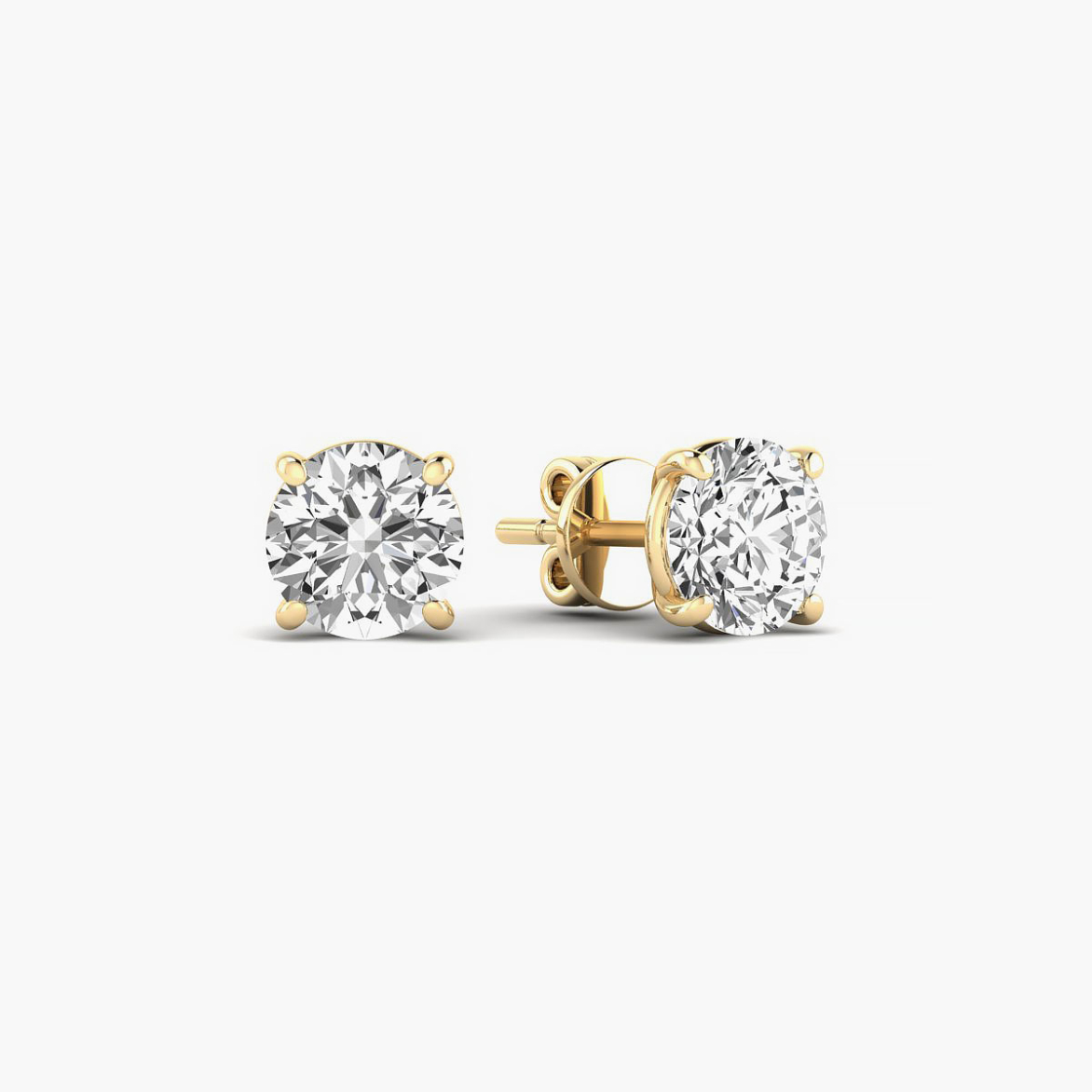
Choosing ethically does not limit your design options. Couples looking for an engagement ring can compare lab diamond solitaire rings with halo and three-stone settings in the full engagement ring collection. For everyday wear, lab diamond stud earrings and diamond tennis bracelets are popular conflict-free picks. Brides who want to honour tradition often choose mangalsutra necklaces set with lab-grown diamonds. If you have a design in mind, the custom design service can build it around a stone whose origin is never in doubt.
Lab-grown diamonds also cost noticeably less than mined diamonds of comparable size and quality, so the same budget can often buy a larger or higher-grade stone.
A Legacy Built on Diamonds, Now Built on Ethics
Pure Jewels began in 1968 in Bhavnagar as a mined diamond cutting and polishing business. It grew into Mumbai and Surat by 1970. After five decades in the natural diamond trade, the team saw firsthand how difficult it is to verify where a stone comes from. In 2018, Pure Jewels moved fully to lab-grown diamond jewellery, crafted from its base in Surat, so that every customer could buy diamonds with complete confidence in their origin. You can read more about that journey on the About Pure Jewels page, or contact the team to book a virtual consultation.

Contact Us
3rd Floor, Building E-2, F.P.108/P, Naginawadi Road, Opp. RJD Business HUB, Katargam, Surat - 395004.India


Limited Edition Gift with Purchase
A sparkling deal only while supplies last.
Spend ₹1,00,000 or more
and select one of these complimentary gifts
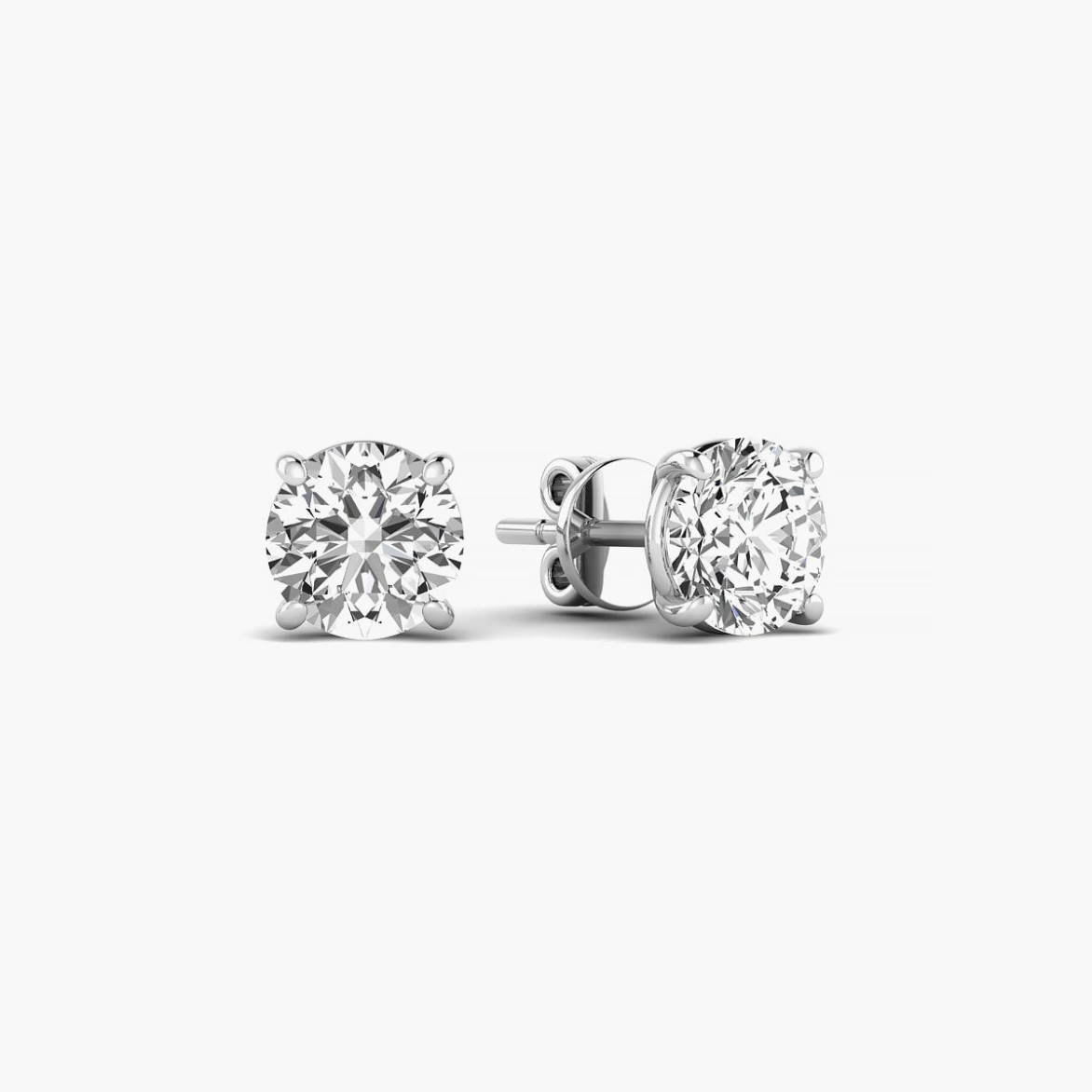
Lab Grown Diamond Stud Earring
14KT White Gold - Gift With Purchase