 Contact Us
 Appointment
Book An Appointment
Get in touch with our jewellery experts for virtual consultation
Grooms Diamond Jewellery Guide: What to Wear on Your Wedding Day


.webp)


.webp)


 Share on Facebook
 Share on LinkedIn
 Share on WhatsApp
A groom's wedding day jewellery usually centers on a diamond wedding ring, with diamond studs, a bracelet, and cufflinks or a tie pin used to complete formal looks across the wedding functions.
Here is what actually goes into building that look, piece by piece:
1. Start with the wedding ring
The ring is the one piece every groom needs, and real diamond rings for men with lab-grown diamonds today go well beyond a simple gold band. South Indian tradition leans toward thick gold bands. In contrast, North Indian preference often runs sleeker, and durable metals like platinum, gold, and tungsten offer both strength and style for long ceremony hours. A comfort-fit band in a metal that suits daily life matters more than it seems, since this ring gets worn well past the wedding.
2. Decide between a plain band or a solitaire
Some grooms prefer a classic wedding band; others want a bolder statement with a solitaire centre stone. A one-carat solitaire in a marquise or round cut, set in a solid, refined band, reads as a symbol of strength and commitment while still working for everyday wear after the wedding.

3. Know which hand and finger it goes on
While traditionally overlooked, many grooms today proudly wear their ring on the same hand and finger as their partner, a shift that reflects true companionship rather than following an old convention by default. There is no fixed rule left to worry about here, only what feels right for the couple.
4. Add diamond stud earrings for a subtle finish
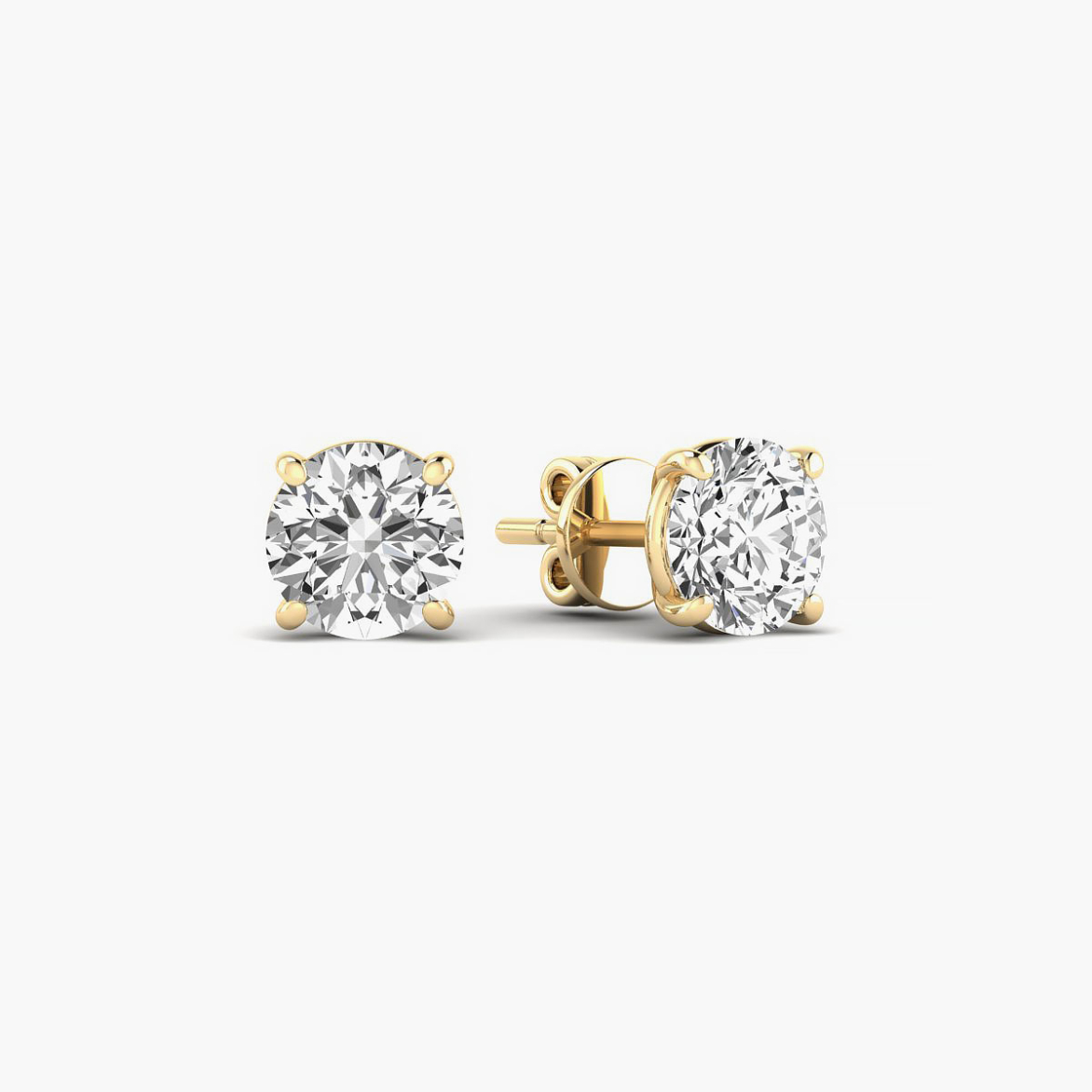
A men's 1 carat diamond earring is one of the most versatile additions to a groom's look. It keeps things sleek and masculine while adding brilliance, and it transitions easily from the wedding stage to work or evening wear afterward. Available in 14kt or 18kt gold, it suits men who want understated luxury rather than a loud statement.

5. Use cufflinks or a tie pin for formal functions
For the reception or any function that calls for a suit, diamond-accented cufflinks or a tie pin make a polished impression without overpowering the outfit. This is one detail that reads as intentional rather than excessive, and it works equally well for business settings after the wedding season is over.
6. Consider a diamond bracelet for a modern edge
Bracelets are no longer seen as jewellery for an older generation. Younger grooms are increasingly choosing a leather band paired with a lab-grown diamond as an alternative to platinum or white gold, a look that works well for casual wedding functions and weekend wear long after.

7. Pick metal purity based on how often you will wear it
Wedding jewellery is available in 14kt and 18kt gold, with white, rose, and yellow tones to choose from. 14kt is harder and more practical for daily wear after the wedding, while 18kt carries a richer gold tone that some grooms prefer for the main ceremony itself.
8. Confirm certification before you buy
Every piece should come with third-party certification from a laboratory such as SGL or IGI, confirming authenticity and the exact quality of the stone. This matters most for wedding purchases since there is little room to fix a mistake once the date is set, and certification is what protects you from paying for a grade the piece does not actually have.

9. Go custom if you want something no one else is wearing
For grooms who want a design that is genuinely their own,custom jewellery lets you choose the carat weight, cut, and setting around your budget rather than picking off a shelf. Even smaller stones can look striking with the right cut, so a custom piece does not need to be the largest one in the room to make an impression.
10. Style it differently across the wedding functions
A groom's jewellery doesn't need to stay identical from the first function to the last. For haldi or mehendi, keep it light: a simple band or a single stud is enough, since these functions get messy and heavy pieces are impractical.
For the sangeet or reception, cufflinks or a tie pin with the solitaire stud earring add a sharper, more formal edge that suits a suit or tuxedo. For the main wedding ceremony, the ring is the anchor piece, and a men's diamond bracelet can be layered in for a more contemporary look against traditional wear. Save the boldest choice, whether that's a bigger solitaire ring or a statement bracelet, for the day it will be photographed the most.

11. Choose pieces that make sense beyond the wedding day
The best men's diamond jewellery earns its place in daily life afterward. A well-chosen ring, a pair of studs, or a bracelet should still feel right at work or at a friend's wedding a year later, not just on the one day it was bought for. Thinking past the ceremony usually leads to better choices than shopping for the day alone.
Every ring, stud, cufflink, and bracelet at Pure Jewels India comes certified by SGL or IGI, so a groom's wedding day jewellery is authenticated the same way a bride's would be.
Frequently Asked Questions
What jewellery should a groom wear on his wedding day?
A wedding ring is the essential piece, with diamond studs for men, a bracelet, or cufflinks and a tie pin used to complete the look for the ceremony and reception.
Should a groom's wedding ring be a plain band or have a diamond?
Both are common. A plain comfort-fit band suits grooms who want simplicity, while a solitaire ring adds a visible statement for those who want more presence.
Which hand should a groom wear his wedding ring on?
Many grooms today choose to wear it on the same hand and finger as their partner, though there is no fixed rule and the choice comes down to personal or family preference.
Are lab-grown diamonds a good choice for a groom's jewellery?
Yes. Lab-grown diamonds are certified on the same grading standards as natural diamonds and typically cost 30 to 40 percent less, which makes solitaire rings, studs, and bracelets more accessible without compromising on authenticity.
Should a groom wear different jewellery for haldi, sangeet, and the wedding ceremony?
Yes, lighter pieces like a single stud or plain band work best for haldi and mehendi, while cufflinks, a tie pin, or a bracelet suit the sangeet and reception, and the ring remains the anchor piece for the wedding ceremony itself.
Can groom's jewellery be worn after the wedding?
Yes, and it is worth choosing with that in mind. Rings, studs, and cufflinks in 14kt or 18kt gold hold up well for regular wear at work or other formal occasions long after the wedding.

Contact Us
3rd Floor, Building E-2, F.P.108/P, Naginawadi Road, Opp. RJD Business HUB, Katargam, Surat - 395004.India


Limited Edition Gift with Purchase
A sparkling deal only while supplies last.
Spend ₹1,00,000 or more
and select one of these complimentary gifts
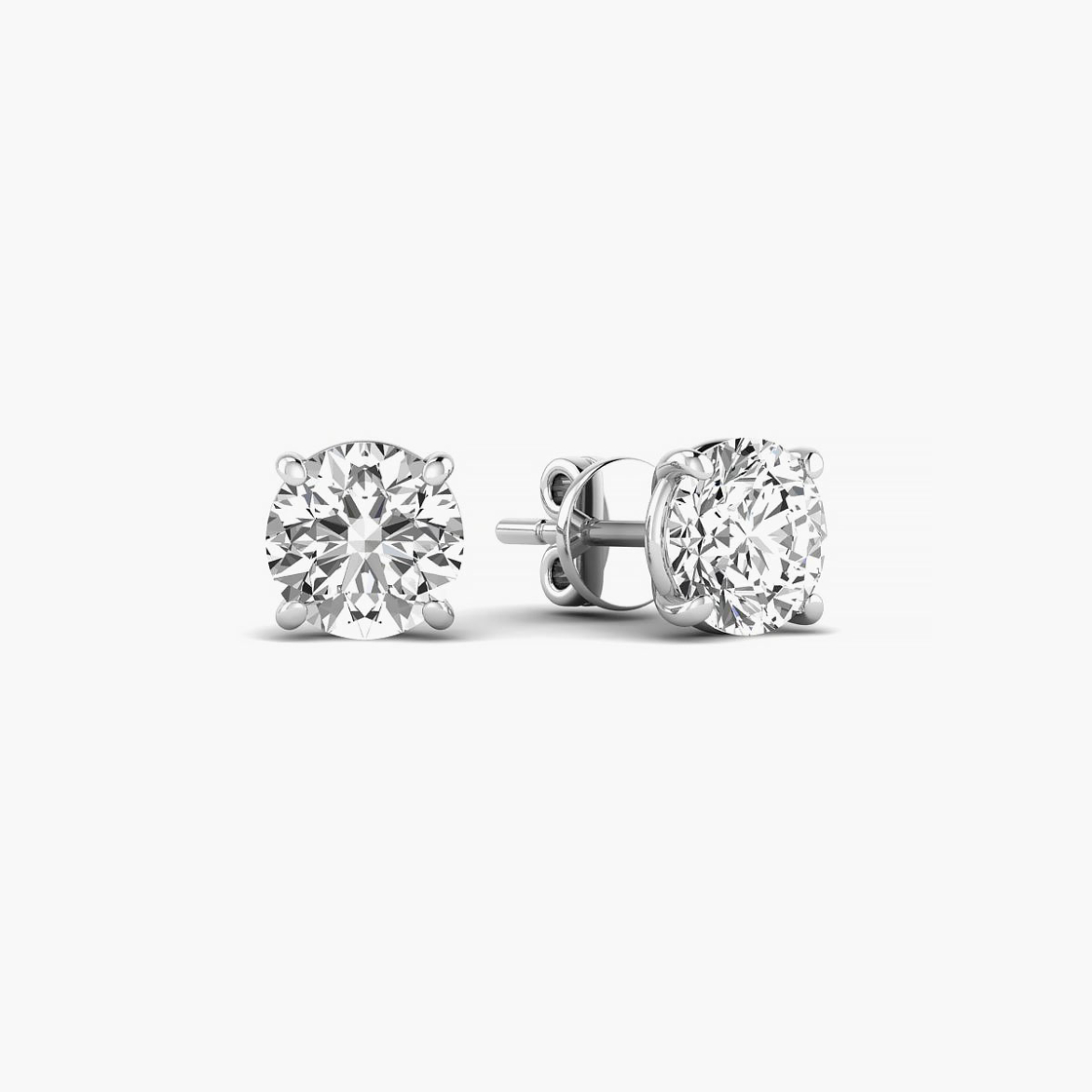
Lab Grown Diamond Stud Earring
14KT White Gold - Gift With Purchase