 Contact Us
 Appointment

Book An Appointment
Get in touch with our jewellery experts for virtual consultation
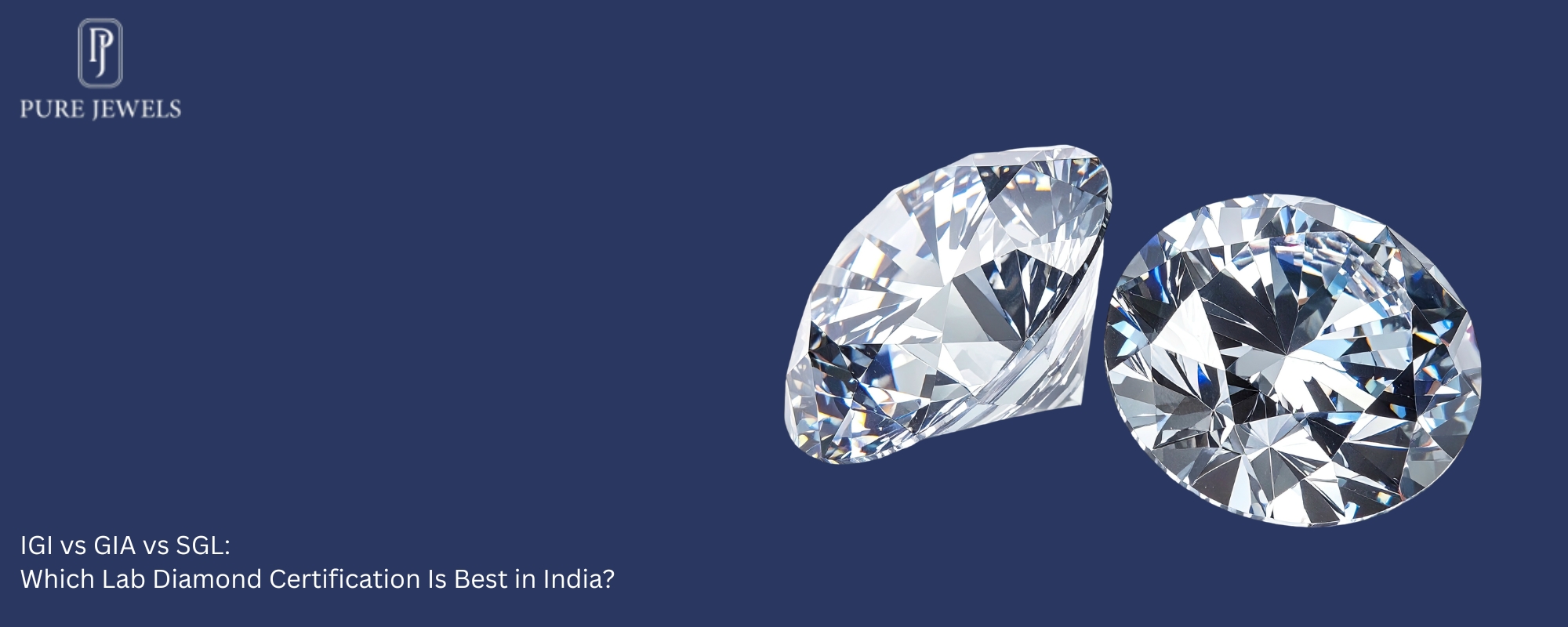
IGI vs GIA vs SGL: Which Lab Diamond Certification Is Best in India?


.webp)

.webp)
.webp)
.webp)



 Share on Facebook
 Share on LinkedIn
 Share on watsapp
When buying a lab-grown diamond in India, the certification on your stone is just as important as the stone itself. It is your guarantee of quality, authenticity, and fair pricing. But with IGI, GIA, and SGL all being mentioned by jewellers across India, many buyers are unsure which one to trust. This expert guide breaks it all down clearly and honestly.
Why Diamond Certification Matters Before You Buy
A diamond certificate, also called a grading report, is an independent, third-party document that evaluates and confirms a diamond's quality. It covers the 4Cs: cut, colour, clarity, and carat weight. Without a certificate, you are entirely dependent on a jeweller's word for what you are paying for.
For lab-grown diamonds especially, certification matters because:
It confirms the stone is a genuine lab-grown diamond and not a simulant like moissanite or cubic zirconia.
It gives you an accurate, unbiased grade of the diamond's quality attributes.
It supports resale or exchange value by providing a documented record of the stone's characteristics.
It gives you the confidence to compare prices fairly across different jewellers.

What IGI, GIA, and SGL Each Check: The Grading Process Explained
All three institutions assess lab-grown diamonds using the standardised 4Cs grading system. Here is what each certification body evaluates:
GIA Gemological Institute of America
GIA is the organisation that created the 4Cs grading system. It is widely regarded as the global benchmark for diamond grading. GIA began issuing lab-grown diamond grading reports and assessing cut, colour, clarity, and carat weight with a high degree of consistency and rigour.
IGI International Gemological Institute
IGI, headquartered in Antwerp, has a strong presence in India and is one of the most widely used certification bodies for lab-grown diamonds globally. IGI provides detailed grading reports covering the 4Cs and also identifies the growth method (CVD or HPHT) used to create the diamond. IGI-certified lab-grown diamonds are commonly found in Indian jewellery retail.
SGL Solitaire Gemmological Laboratories
SGL is an India-based gemological laboratory with a strong and established reputation among Indian jewellers and buyers. SGL evaluates diamonds using the same 4Cs framework and is particularly well-regarded within the Indian domestic market. Its reports are accepted by jewellers and consumers across India and are commonly used for both natural and lab-grown diamonds.

IGI vs GIA vs SGL: Full Comparison Table for Indian Buyers
Here is a detailed side-by-side comparison to help you understand exactly how these three certifications differ for lab-grown diamonds in India.
How Certification Affects Price and Resale Value in India
Impact on Purchase Price
The certification body chosen by a jeweller can influence the price you pay. GIA-certified diamonds generally carry a higher price premium because of the brand's global prestige. IGI-certified lab-grown diamonds are priced moderately, while SGL-certified diamonds are often more accessible in pricing, making them an excellent choice for Indian buyers who want verified quality without inflated certification costs.
Impact on Resale Value
It is important to understand that lab-grown diamonds, regardless of the certification body, have a moderate resale value compared to mined diamonds. However, a certified diamond always commands better resale or exchange terms than an uncertified one. For the Indian domestic market, both IGI and SGL certifications are widely accepted by jewellers during resale or exchange transactions.
A certified diamond gives a jeweller or buyer an objective record of quality to base any exchange or buy-back on.
SGL certification is broadly accepted across India, making it a practical and trusted choice for domestic transactions.
Pure Jewels offers exchange and buy-back policies; always ask for certification details at the time of purchase.

Which Diamond Certification Is Best for Indian Buyers?
The honest answer: all three GIA, IGI, and SGL are legitimate, trusted certifications. The right choice for you depends on your specific needs.
Choose GIA if:
You are buying a high-value piece and plan to use or resell it internationally.
You want the globally recognised benchmark with the strictest consistency standards.
Choose IGI if:
You want a certificate that is widely accepted both in India and internationally.
You prefer a detailed report that explicitly identifies whether the stone is CVD or HPHT-grown.
Choose SGL if:
You are buying for the Indian market, gifting, personal use, bridal, or everyday wear.
You want a trusted Indian institution's verification without a high certification premium added to the price.
You are purchasing from Pure Jewels, where every piece is already SGL-certified as standard.
Pure Jewels is SGL Certified: Every piece of lab-grown diamond jewellery in the Pure Jewels collection is certified by SGL Laboratory India's trusted gemological standard. You do not need to ask for certification; it comes as part of the Pure Jewels promise. Pure Jewels is also associated with GIA and IGI, and certification from these institutions is available on request.
Frequently Asked Questions
Q: Is SGL certification as reliable as GIA or IGI?
Yes, SGL (Solitaire Gemmological Laboratories) is a well-established and respected gemological institution in India. It uses the same 4Cs grading framework as GIA and IGI and is widely accepted by Indian jewellers and consumers for both natural and lab-grown diamonds.
Q: Which certification is best for lab-grown diamonds in India: IGI, GIA, or SGL?
All three are credible certifications. For buying and selling within India, SGL and IGI are both widely accepted. GIA is ideal for international resale or the highest-prestige purchases. Pure Jewels uses SGL as its standard certification, which is trusted across the Indian jewellery trade.
Q: Does Pure Jewels provide certified lab-grown diamonds?
Yes. Every piece of jewellery at Pure Jewels is certified by SGL Laboratory as standard. Pure Jewels is also associated with GIA and IGI, and certification from these institutions is available on request.
Q: What does a diamond grading report actually tell you?
A diamond grading report from any recognised institution covers the 4Cs: cut, colour, clarity, and carat weight, and confirms whether the stone is a lab- grown or natural diamond. For lab-grown diamonds, it also identifies the growth method (CVD or HPHT) used to create the stone.
Q: Does certification affect the price of a lab-grown diamond?
Yes, it can. GIA-certified diamonds typically carry a higher price premium due to the brand's global recognition. IGI-certified stones are moderately priced, and SGL-certified diamonds are often available at a more accessible price point, making them a popular and practical choice for the Indian market.
Q: Can I resell or exchange a certified lab-grown diamond in India?
Yes. A certified lab-grown diamond is always easier to resell or exchange than an uncertified one, as the certificate provides an objective quality record. Pure Jewels offers exchange and buy-back policies. Having your certification documents at hand is always recommended for any such transaction.

Contact Us
3rd Floor, Building E-2, F.P.108/P, Naginawadi Road, Opp. RJD Business HUB, Katargam, Surat - 395004.India


Limited Edition Gift with Purchase
A sparkling deal only while supplies last.
Spend ₹1,00,000 or more
and select one of these complimentary gifts
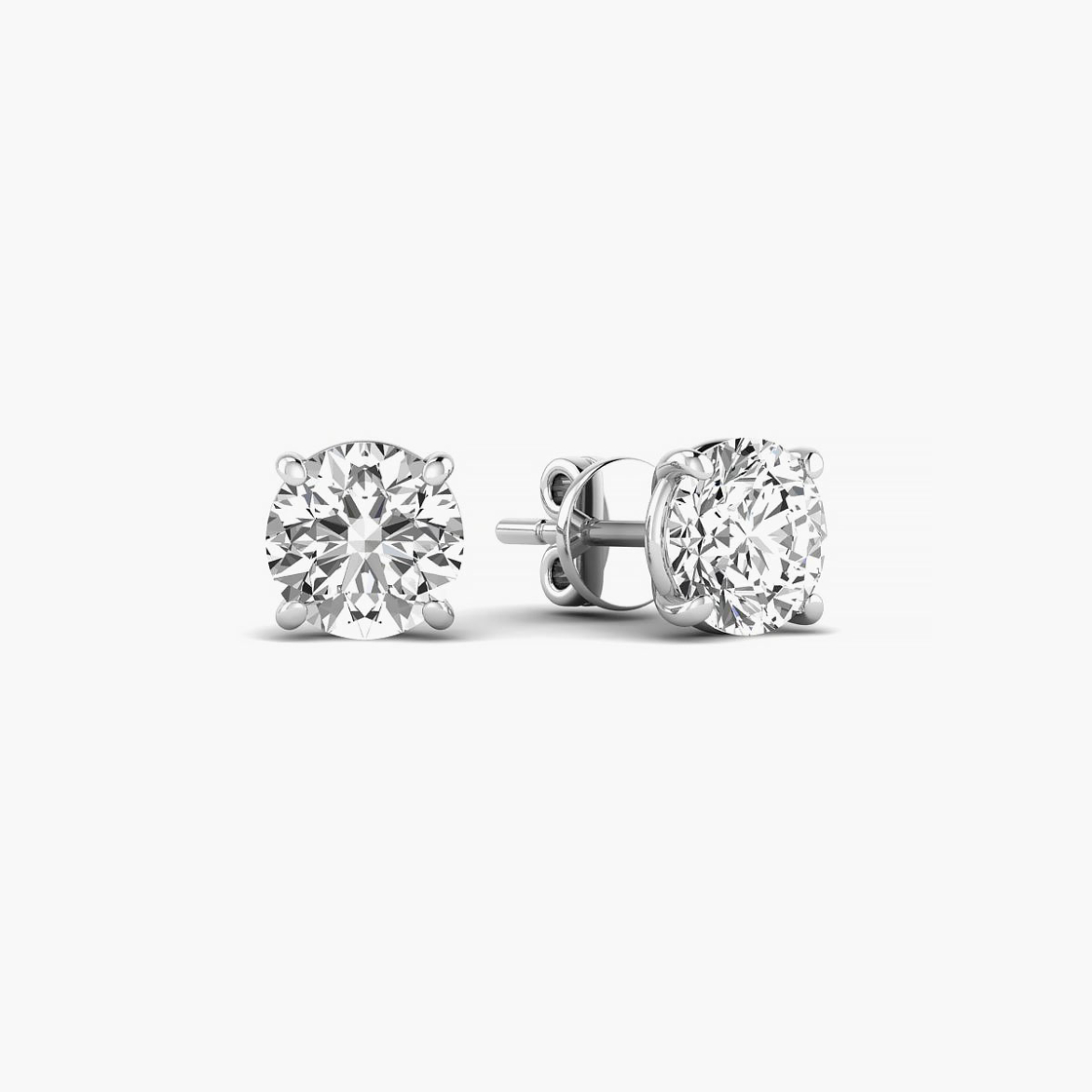
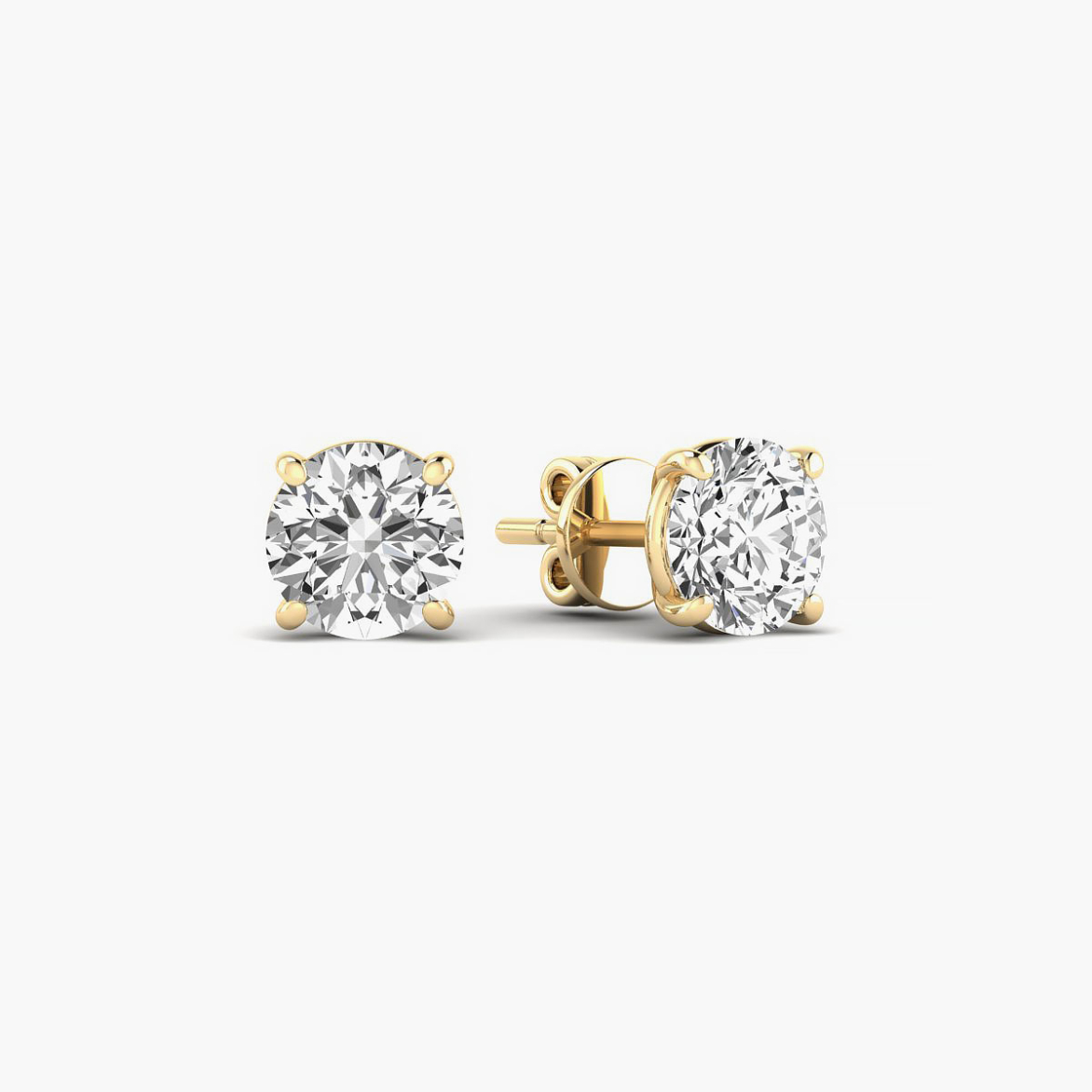
Lab Grown Diamond Stud Earring
14KT White Gold - Gift With Purchase