 Contact Us
 Appointment
Book An Appointment
Get in touch with our jewellery experts for virtual consultation
5 Essential Tips When Buying Diamond Earrings for Women in India


.webp)
.webp)


.webp)


 Share on Facebook
 Share on LinkedIn
 Share on WhatsApp
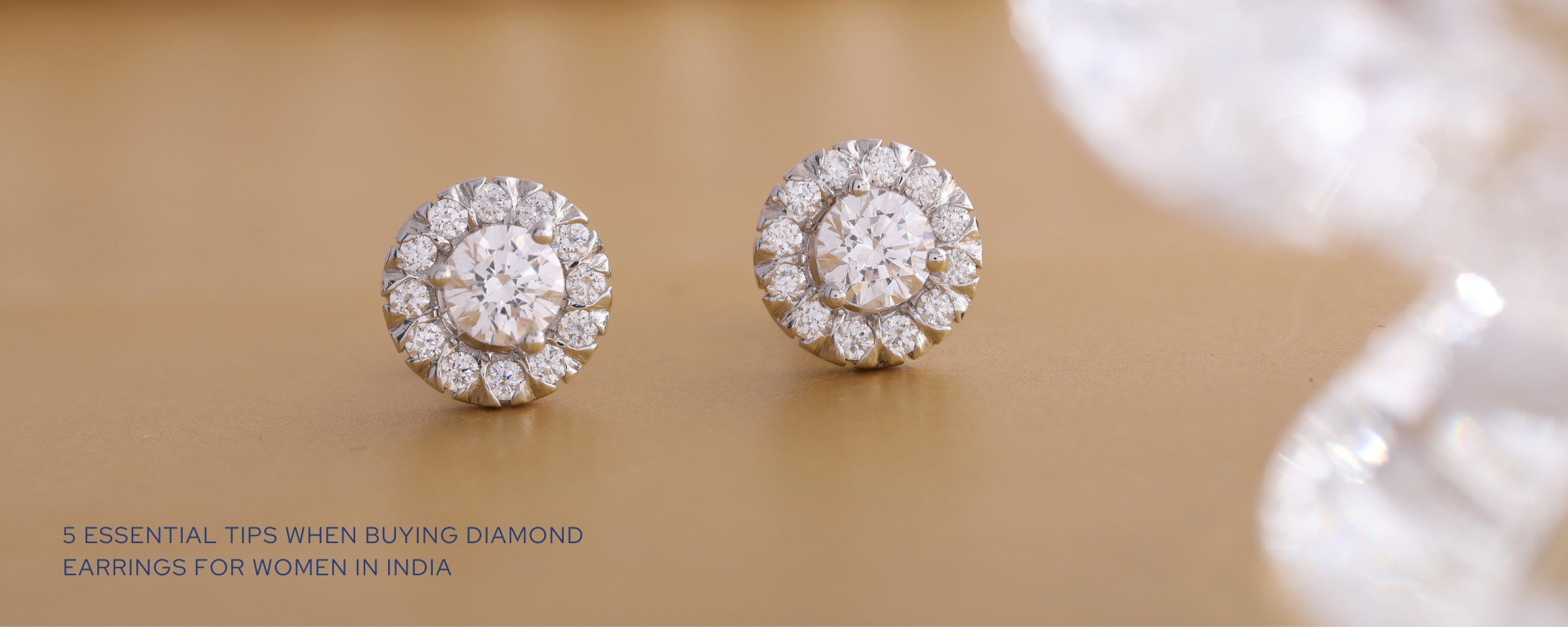
Did you see the B-town actresses wearing fancy diamond earrings, or did your friend recommend the stud to you? Your mind gets stuck and asks what is perfect for me. This is very common for every woman in India. To get the best design, you have to know the tips when buying diamond earrings.
Why Buying Diamond Earrings in India Requires More Evaluation Today
Without understanding how these variables influence diamond earrings' price, comparisons become misleading.
The Shift from Store Trust to Specification Trust
A decade ago, trust was built through brand reputation and physical presence. Today, trust is built through specifications.
Serious buyers now expect to see total diamond carat weight clearly mentioned with individual stone weight (if solitaire), and diamond 4Cs grade, including color, carat weight, cut, and clarity.
Certification details include the IGI report along with the BIS hallmark for gold quality to understand the exact gold purity and weight. If these details are missing, the product cannot be evaluated objectively.
Why Price Differences Exist Between Similar-Looking Earrings
Two earrings may appear visually similar in images but differ in cut precision, clarity grade, gold weight, setting craftsmanship, and diamond origin.
Because a quality cut grade increases brilliance and cost, on the other hand, top clarity (FL to VVS2) reduces the inclusions. The heavier gold raises the total price (14KT to 18KT), and also the detailed settings cost more. Natural diamonds carry higher sourcing costs than lab-grown.
Suppose you want to buy a 1-carat diamond pair of earrings with a 1 lakh rupee budget. You choose the Very Good cut grade diamond with VVS clarity in 14KT yellow gold. The diamonds are lab-grown. The same earring in natural diamond costs around 2-2.5 lakh rupees.
Understanding this prevents emotional decisions based only on sparkle.
The Growing Role of Lab-Grown Diamond Earrings in India
In India, buyers want larger visible stones like 2-5 carat weights, better clarity within budget (60,000 to 1 lakh rupees). They also want a modern design that celebrities have been wearing. With transparent pricing, customers can get an idea about whether the purchase is worth it for them or not.
For many working professionals and first-time buyers, lab-grown offers a practical way to upgrade size without stretching finances.
Daily Wear Has Become the Primary Buying Category
Unlike engagement rings, diamond earrings in India are increasingly purchased for office wear, casual daily use, smart gifting, and self-purchase milestones. This changes buying priorities. Durability, comfort, and lightweight construction now matter more than extreme carat size.
What This Means for You as a Buyer
Instead of asking: “How big is the diamond?”
The smarter questions are:
What is the total carat weight?
What are the clarity and colour grades?
Is it IGI certified?
Is the gold 14K or 18K?
Is this natural or lab-grown?
Does the price justify the specifications?
When these questions are answered clearly, purchasing diamond earrings for women becomes structured and logical, not uncertain.
Tip #1 – Structure Your Budget with Real Market Benchmarks
If you search for diamond earrings price in India, you’ll notice a wide range, from under ₹20,000 to several lakhs. The difference is not random. It is driven by certain factors
Before selecting a design, define a practical spending range. In India’s current retail environment (2026 market conditions), here’s how budgets typically translate into product categories:
₹20,000 – ₹35,000: Entry-Level Fine Jewellery
In this price range, what you usually get is lightweight 14K gold, smaller total diamond weight (around 0.15 -- 0.30 ct total), minimalist stud designs, and often lab-grown in this range for better visible size.
This bracket is popular among first-time buyers, young professionals, and self-purchasing daily wear shoppers.
₹35,000 – ₹70,000: Balanced Daily Wear & Gifting Range
This is the most active buying segment in India. It typically features 0.30–0.60 ct total diamond weight, good clarity grades (VVS range), more design variety like halo, small drops, and structured hoops. There is an option between 14K and 18K gold.
In this bracket, pricing becomes important. A ₹55,000 natural diamond pair may offer a similar visible size to a ₹40,000 lab-grown pair with higher clarity.
This is where value analysis matters most.
₹70,000+: Premium & Occasion-Focused Designs
Here, buyers look for higher carat weight (0.70 ct+ total), premium cuts, larger solitaire studs, detailed drop and dangler designs, where 18K gold is commonly used.
For buyers prioritising size and brilliance over resale perception, lab-grown options in this segment can significantly enhance visible impact.
Tip #2 – Evaluate Diamond Quality the Right Way (Not Just Carat Weight)
When buyers compare diamond earrings, the first number they usually check is carat weight. Bigger sounds better. But in earrings, the carat alone does not determine how impressive the piece looks. Brilliance, clarity, balance, color tone, and even the way the stones are set influence the final appearance far more than raw size.
If you want to assess diamond quality for earrings correctly, you need to interpret the 4Cs differently than you would for an engagement ring.
Cut – The Real Driver of Sparkle
The diamond cut determines how efficiently light enters and exits the diamond. In earrings, this matters more than in rings because earrings sit at eye level and are viewed from a slight distance. There is sparkle, and visibility matters more than microscopic perfection.
A well-cut 0.40 ct pair will look brighter than a poorly cut 0.55 ct pair. Unfortunately, many buyers don’t ask about cut quality while comparing diamond earrings prices, leading to disappointing results after purchase.
When evaluating options, check the following:
Prioritise Excellent or Very Good cut grades (if specified).
Avoid stones that look flat or glassy under normal lighting.
Remember that cut impacts brilliance more than minor clarity upgrades.
Getting a more prominent diamond clarity will offer the look of premium bespoke jewellery.
Color – What Makes Practical Sense in India
Color grading ranges from D (colourless) downward. While D–F grades command premium pricing, they are not always necessary for earrings.
For most Indian buyers, we found that the G–H color offers a balanced appearance. When it comes to the gold tone selection, prefer white gold that still looks clean and bright. On the other hand, yellow gold is suitable for fancy color diamonds because of its slightly warm golden hue.
Paying significantly more for D colour in small-to-medium earring stones rarely produces a prominent visible improvement.
Check if the color grade is clearly mentioned. If not, the price comparison becomes unreliable.
Clarity – Balance Cost and Visibility
Clarity indicates internal inclusions or external blemishes.
In earrings, VS1 or VS2 clarity is typically sufficient. SI1 can also be acceptable if inclusions are not visible to the naked eye. Extremely high clarity (VVS or IF) increases cost without a meaningful visual difference at normal viewing distance.
Since earrings are not examined at close range like rings, paying a premium for microscopic perfection is often unnecessary.
Smart buyers compare clarity logically against price, rather than automatically choosing the highest grade.
Carat – Understand Total Weight vs Per Stone
One of the most common misunderstandings in India involves carat presentation.
Always check if the weight is mentioned per piece or total pair. Are multiple small diamonds being used instead of two larger stones? If not, then ask for clarification from the jeweller.
For example, 0.50 ct total weight means 0.25 ct per earring. A halo design may show higher total weight due to multiple small stones, not a larger centre diamond. Understanding this avoids confusion.
Tip #3 – Choose the Right Earring Style Based on Lifestyle, Comfort, and Long-Term Wear
Buyers often filter by design first, such as studs, hoops, and drops, without thinking about how frequently they will actually wear the piece. Style should not be selected purely on trend appeal. It must align with daily routine, comfort tolerance, and wardrobe compatibility.
A pair that looks impressive in product images may remain unused if it feels heavy, impractical, or overly occasion-specific.

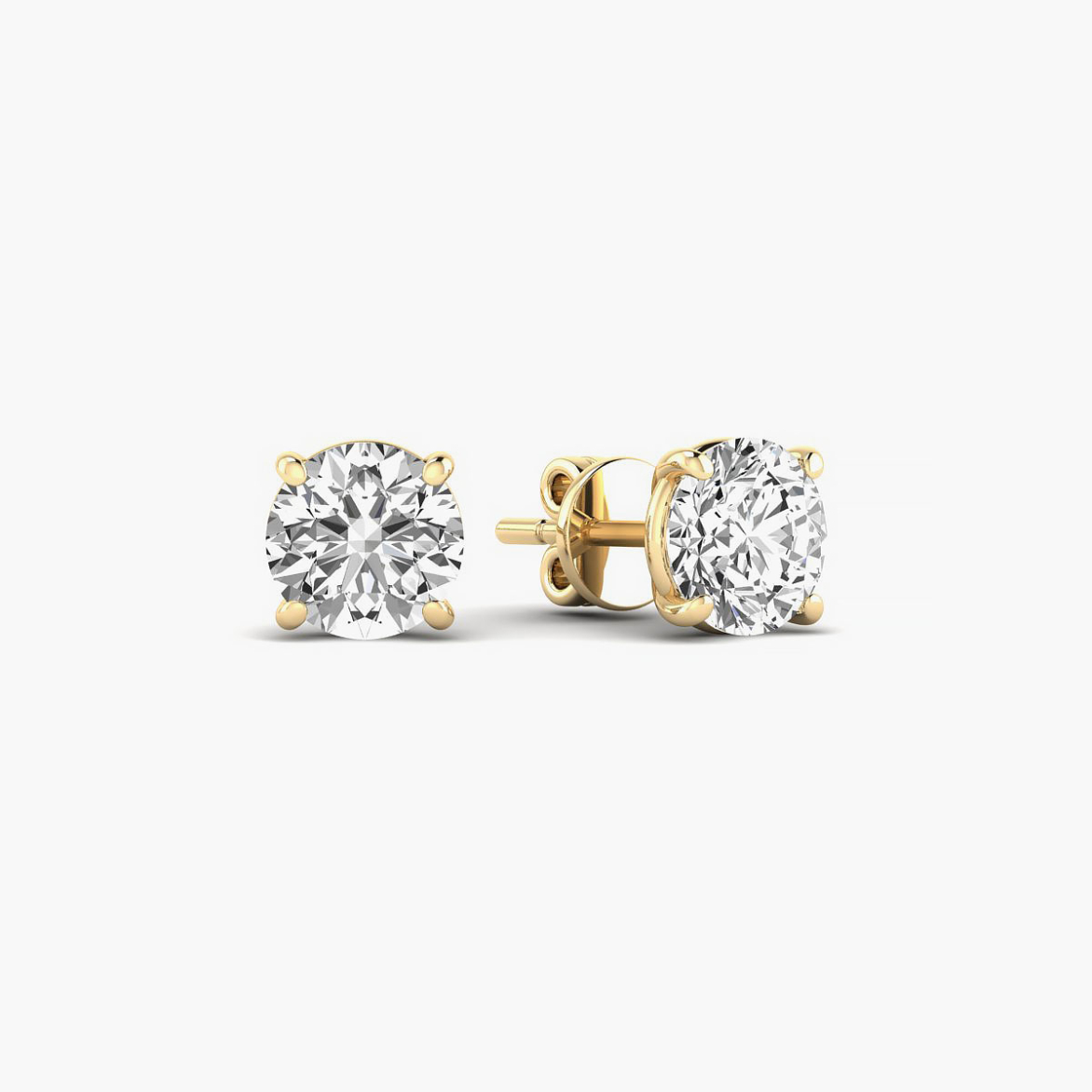
Diamond Studs – The Most Practical Category in India
Studs consistently dominate searches under diamond earrings for daily wear. Their popularity is driven by a clean silhouette, low maintenance, and versatility across office, casual, and festive wear. Wearing this earring type has minimal snagging risk. That’s why, from the early 20s to 40s, women prefer studs. For working professionals, studs offer structured elegance without drawing excessive attention.
When evaluating studs, check total carat weight (0.30–0.60 ct total is widely preferred), ensure symmetry between stones, and confirm secure screw-back closure for Indian wear habits.
Hoops and Huggies – Modern and Structured
Hoops and huggies are increasingly popular among buyers in metro cities like Mumbai, Delhi, Chennai, Kolkata, Bangalore, and Hyderabad. They provide a slight statement presence around the ear and offer better visibility than studs. When it comes to suitability, it looks prominent with Indo-western outfits.
However, structure matters. Poorly balanced hoops can tilt forward or feel unstable. Check twice for a comfortable wearing experience.
Before buying hoops and huggies, the first thing is to verify the weight distribution. Then, confirm the hinge or locking mechanism's durability. Finally, evaluate if diamonds are prong-set or channel-set for security.
Lab-grown diamonds make diamond-studded hoops more accessible in mid-range budgets without compromising visible impact.
Drop and Dangler Earrings – Occasion-Oriented Designs
Drop styles introduce vertical movement and enhance festive outfits. They are frequently purchased for wedding trousseaus, anniversary gifting, and festival wear
But drop earrings must balance beauty with practicality.
Consider overall weight (heavy designs cause discomfort). Also, check the length proportion relative to face shape or not, you can ask a jeweller, they will help. The earrings' secure locking mechanism is also important to have.
Remember that intricate designs increase gold weight and craftsmanship cost, not just diamond value.
Halo and Cluster Settings – Visual Enhancement Strategy
Halo settings surround a central diamond with smaller stones, creating a larger visual appearance without requiring a high single-stone carat.
Choosing these earrings brings advantages like enhanced sparkle, a bigger look within the controlled budget, and strong gifting appeal.
This style is especially effective in lab-grown diamonds, where buyers can optimise centre stone size while maintaining cost efficiency.
Choosing the right style is not about following trends. It is about selecting a piece you will actually wear frequently, because true value lies in usage, not storage.
Tip #4 – Compare Available Diamond Types for Earrings: Natural vs Lab-Grown Diamonds
The difference today is not about appearance. It is about pricing logic, perception, and buying intent.
The first question is: Are lab-grown diamonds real diamonds?
Yes. Lab-grown diamonds have the same carbon composition, hardness (10 on the Mohs scale), optical performance, and sparkle under light.
They are not substitutes like cubic zirconia or moissanite. The grading system (cut, colour, clarity, carat) applies equally to mined diamonds.
From a visual and structural perspective, there is no difference in how lab-grown diamond earrings perform when worn.

The Real Difference: Price Structure
The most noticeable difference lies in pricing. For comparable grading, lab-grown diamonds are typically 30–50% more affordable. With them, higher carat weight becomes accessible within mid-range budgets. Buyers can prioritise better clarity without exceeding limits.
Example comparison within the Indian market:
Natural diamond earrings with 1-carat in VS clarity, G color, and 14K gold cost around 1.50 lakh rupees.
Lab-grown diamond earrings in 1-carat weight containing VS clarity, G color, and 14K gold price range are under 50,000 rupees.
Visually, the second option appears larger and equally brilliant. This pricing dynamic is why it continues to rise.
When Should You Choose a Natural Diamond?
Natural diamonds may appeal if you prioritise traditional sourcing history over artificially made diamonds. You associate emotional or heritage value with mined stones for their luxury feel. You are buying for legacy perception, as most Indian families do to pass the jewellery through generations.
When Does Lab-Grown Make Practical Sense?
Lab-grown becomes compelling when your budget is fixed and the diamond's visible size matters. In addition, you want higher clarity within the same spend and buying for daily wear rather than an investment.
Tip #5 – Prioritise Wearability: Weight, Balance, and Long-Term Comfort
Most buyers evaluate sparkle, price, and grading. But, forget one practical factor: how the earrings actually feel after three hours of wear.
In India, women’s earrings are increasingly purchased for daily office use, not just weddings. That changes the evaluation criteria completely.

Understand Ideal Weight for Daily Wear
Lightweight earrings are not a compromise, but they are a practical design. For everyday use, you can prefer studs that typically range between 1.0–2.5 grams total (including gold and diamonds). Also, consider that lightweight hoops should not pull the earlobe forward. A drop earring should maintain centre balance, not tilt outward.
Heavier pieces may look substantial, but they can stretch the piercing over time.
Balance Matters More Than Carat
Two earrings with identical total carat weight can feel completely different depending on gold weight distribution, setting thickness, stone placement, and back closure design. Well-balanced earrings sit upright and do not droop. Poor balance causes a forward tilt, making even expensive pieces look awkward.
When reviewing earrings, check if product images show natural upright positioning that is not angled photography hiding an imbalance.
Closure Security Is Non-Negotiable
India’s daily routines are active, such as commuting, festivals, travel, and long work hours. Secure closures reduce the risk of loss. Preferred mechanisms for daily wear are screw-back studs (most secure), locking hinge hoops, and firm, tight push-backs (for lighter pieces).
A ₹60,000 earring with a weak closure is a preventable risk.
Consider Long-Term Earlobe Health
This is rarely discussed in buying guides. Heavy earrings stretch piercings gradually, and it creates a downward pull. This can reduce long-term comfort. Note that lightweight, well-distributed designs maintain ear shape over years of wear.
Versatility Equals Real Value
Ask one practical question: Will I wear this at least twice a week? If the answer is no, it is occasion jewellery, not everyday fine jewellery. True value in diamond earrings comes from frequency of wear, not carat size.
Pure Jewels Lab-Grown Diamond Earrings: From Hoops and Balis to Danglers and Fashion Earrings
Need the best diamond earrings for women? Pure Jewels offers a lab-grown collection designed for real wear, not display-only jewellery. The focus is on proportion, certified quality, and visible brilliance within practical budgets.
Our lab-grown diamond earrings collection includes:
Everyday diamond studs: Get balanced carat weight, secure closures, office-ready designs.
Hoops and balis: Meet a structured, lightweight, and suitable earring for daily or festive styling.
Danglers and drop earrings: See the elegant vertical designs for weddings and occasions.
Contemporary fashion styles: Choose the minimalist, geometric, and versatile pieces for a good look.
Each pair features:
Certified lab-grown diamonds
Clear carat and grading specifications
Durable gold construction
Transparent pricing structure
If you want a stronger size-to-price value without compromising sparkle, explore the full collection here:

Contact Us
3rd Floor, Building E-2, F.P.108/P, Naginawadi Road, Opp. RJD Business HUB, Katargam, Surat - 395004.India


Limited Edition Gift with Purchase
A sparkling deal only while supplies last.
Spend ₹1,00,000 or more
and select one of these complimentary gifts
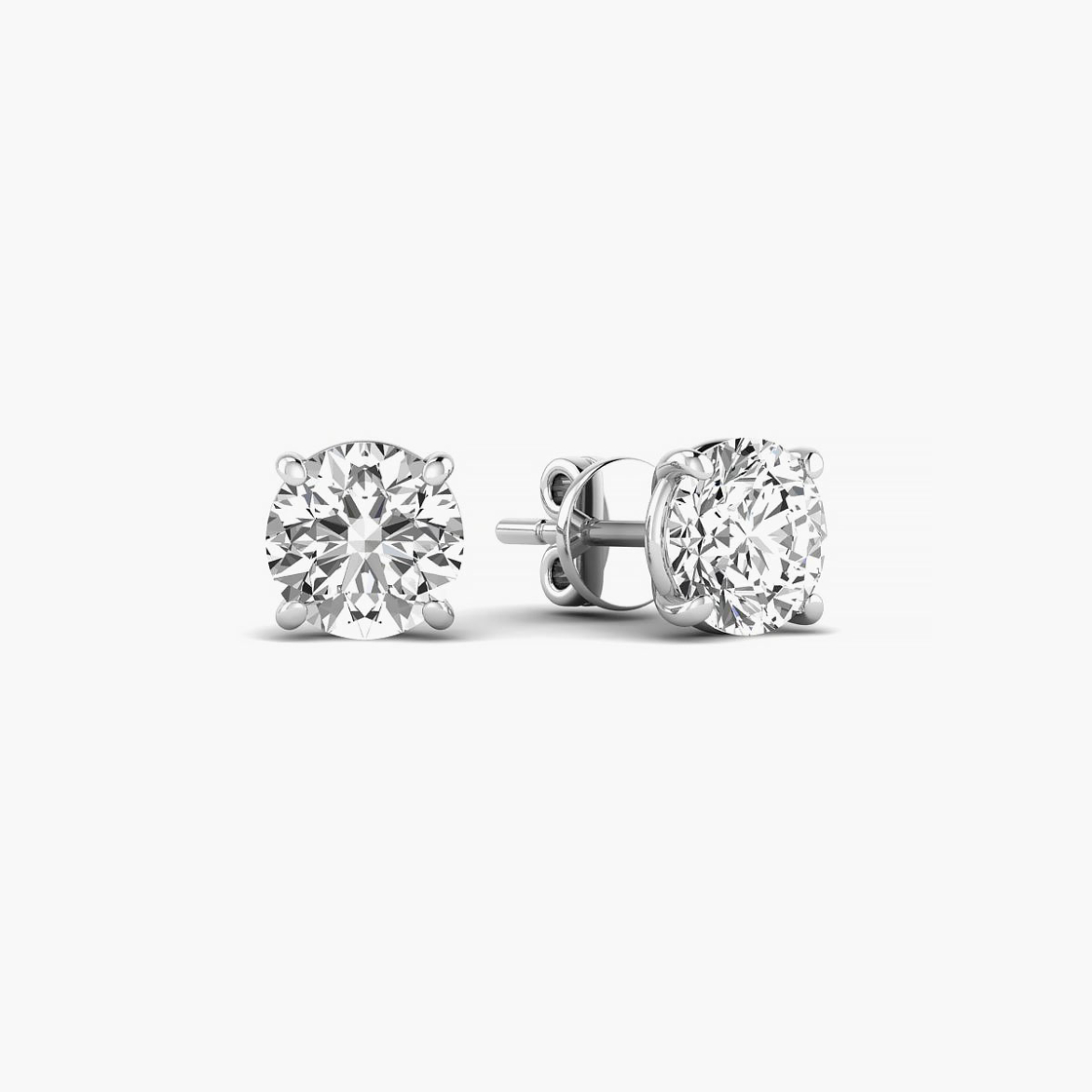
Lab Grown Diamond Stud Earring
14KT White Gold - Gift With Purchase