 Contact Us
 Appointment

Book An Appointment
Get in touch with our jewellery experts for virtual consultation
What is a Solitaire Diamond? Features, Key Differences & Buying Guide


.webp)

.webp)
.webp)
.webp)


 Share on Facebook
 Share on LinkedIn
 Share on WhatsApp
A solitaire diamond carries a quiet kind of confidence. It doesn’t rely on intricate patterns or multiple stones to make an impression. Instead, it stands alone, clear, intentional, and deeply personal. In India, where jewellery is often layered with cultural symbolism, a solitaire diamond represents a shift toward individuality and modern expression without losing emotions.
For someone planning a meaningful purchase, whether it’s an engagement ring, a milestone gift, or a personal investment, understanding what makes a solitaire diamond special is essential. This guide explains everything that matters before you decide.
What Exactly is a Solitaire Diamond?
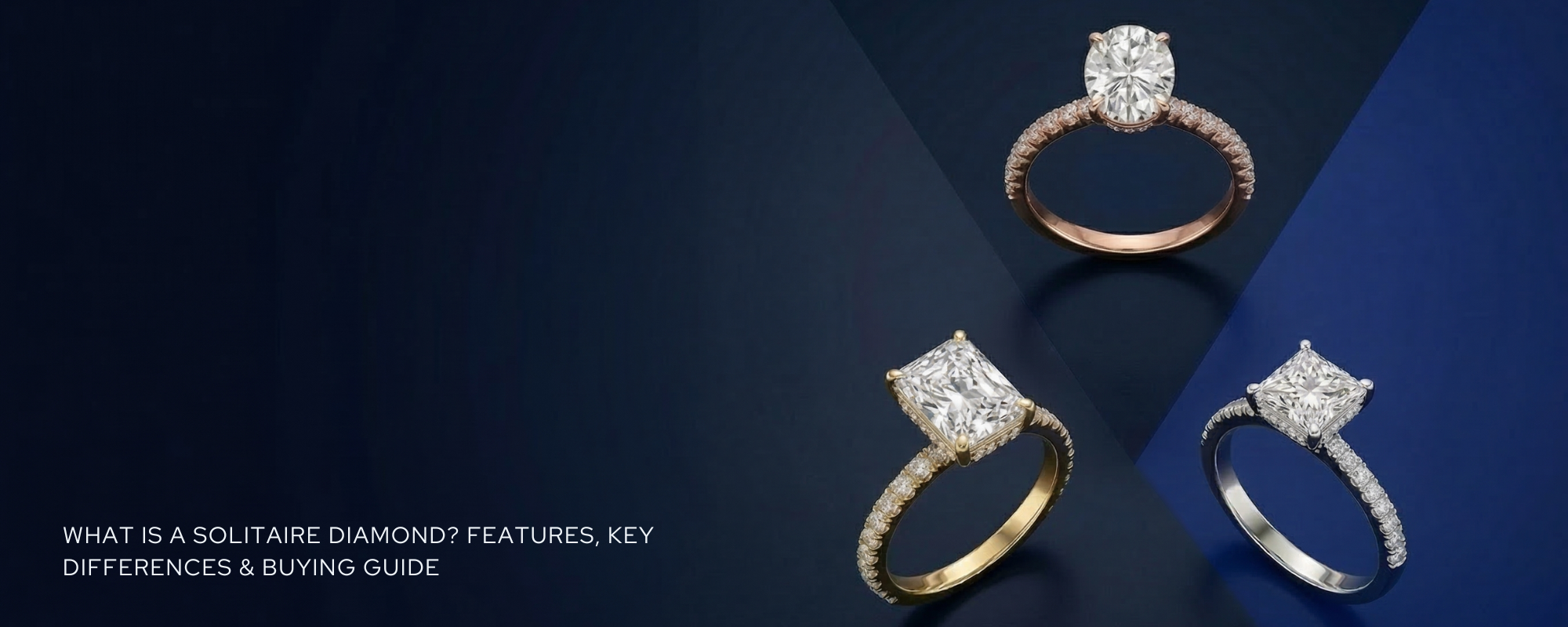
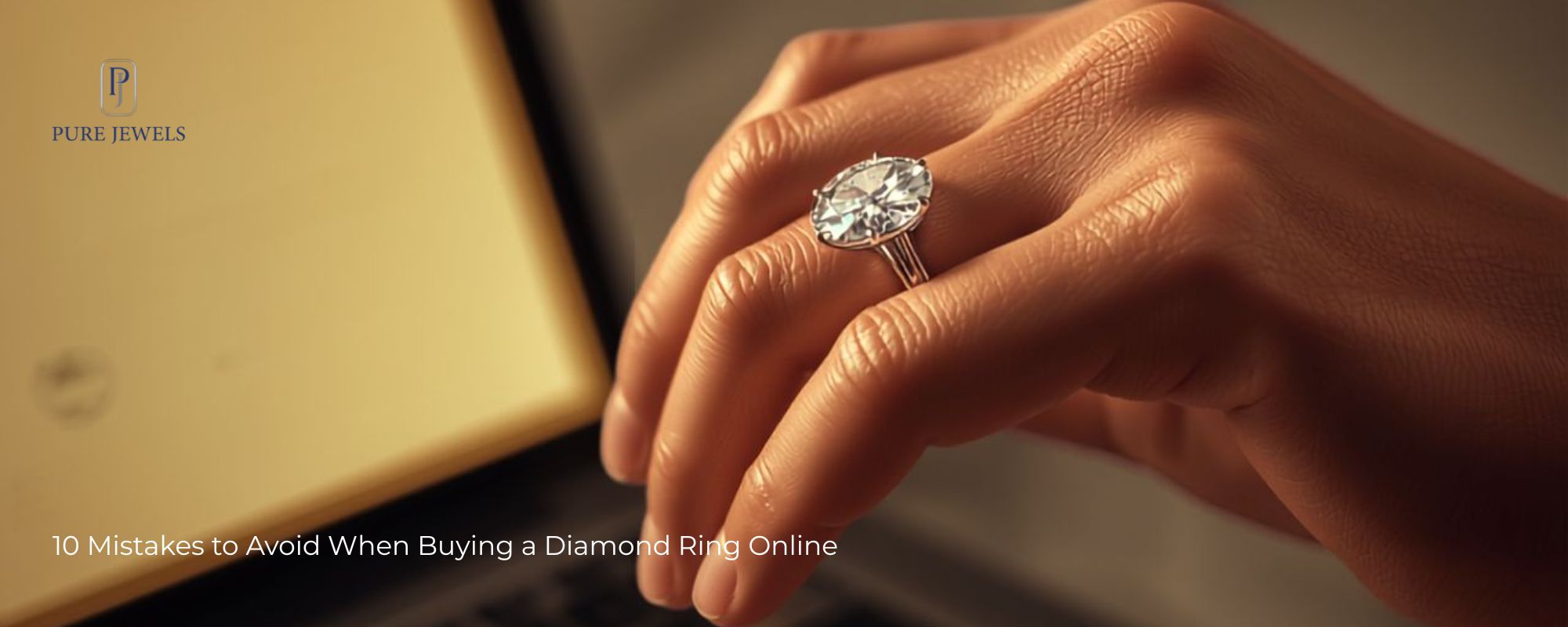
A solitaire diamond refers to a jewellery design where a single diamond is the focal point, without being surrounded by additional stones. The entire visual impact depends on that one diamond, its brilliance, its cut, and its presence.
Unlike cluster jewellery, where multiple small diamonds create a combined sparkle, a solitaire places complete emphasis on one stone. This simplicity is what gives it both elegance and significance.

In practical terms, solitaire diamonds are most commonly seen in a balance of minimalist and luxury:
But beyond format, the real essence lies in the idea: one diamond, one story, one focus.
Why Solitaire Diamonds Feel Different
The appeal of a solitaire diamond jewellery isn’t just visual. It’s emotional and psychological.
When someone chooses a solitaire, they’re not choosing complexity. They’re choosing clarity. There’s a sense of intention behind it. No distractions, no embellishments, just a single stone that carries meaning.
In Indian buying behaviour, this often connects with:
Life-defining moments (engagements, anniversaries)
Self-purchase decisions among working professionals
A growing preference for minimal, premium jewellery over heavy designs
A solitaire diamond becomes less about ornamentation and more about identity.
What Defines a Solitaire Diamond?
See these qualities in jewellery that is made with a single diamond.
A Single Stone That Commands Attention
A solo diamond is centred around one stone, making its quality impossible to overlook. There’s no design complexity to mask imperfections, which is why clarity, cut, and overall finish matter significantly. The result is a piece that feels refined, focused, and inherently premium.
Precision in Craftsmanship
With the diamond fully exposed, the setting must be executed with accuracy. Even slight misalignment can affect both appearance and security.
Prong setting: Prong settings in jewellery, especially in rings, can maximize light exposure for better brilliance.
Bezel setting: This setting offers a clean, modern finish with added protection.
Tension setting: This creates a floating effect for a contemporary look.
Each style influences how the diamond reflects light and how comfortable it feels for everyday wear.
Superior Diamond Quality
Since there is only one diamond, higher grading across the 4Cs becomes essential. Better clarity, balanced colour, and an excellent cut directly impact how the diamond appears. Even minor compromises are easily noticeable.
Timeless Aesthetic
Solitaire designs don’t follow trends. They outlast them. Their simplicity keeps them relevant across generations, making them ideal for long-term use and heirloom value.
Emotional Weight
A solitaire jewellery design marks significant moments like commitment, achievements, or milestones. This gives it a deeper personal meaning beyond its physical value.
Solitaire Diamond vs Regular Diamond Jewellery

Understanding the difference between a solitaire and regular diamond jewellery helps in making a purchase.
Design Approach
A solitaire diamond keeps the focus on one centre stone, creating a clean and intentional look. Regular diamond jewellery uses multiple smaller stones arranged in patterns for a more decorative and layered appearance.
Visual Impact
A solitaire delivers a sharp, concentrated brilliance because all the light performance comes from one diamond. It feels bold and defined. In comparison, multi-diamond jewellery offers a scattered sparkle, more shine overall, but less depth and individuality.
Pricing Structure
This is where the difference becomes very clear.
Solitaire diamond jewellery:
0.30 carat: ₹25,000 – ₹60,000
0.50 carat: ₹60,000 – ₹1,20,000
1 carat: ₹2,00,000 – ₹6,00,000+
Regular diamond jewellery (multi-stone designs):
Lightweight rings/pendants: ₹15,000 – ₹50,000
Mid-range designs: ₹40,000 – ₹1,00,000
Heavy designer pieces: ₹80,000 – ₹2,50,000
Solitaire pieces concentrate value in a single diamond, while multi-stone jewellery distributes cost across smaller diamonds, making it more accessible.
Quality Visibility
In a solitaire, every detail is exposed. Even a slight flaw in the cut or clarity becomes noticeable. With multiple diamonds, minor imperfections tend to blend into the overall design.
Purpose and Usage
Solitaire diamonds are typically chosen for meaningful occasions, engagements, proposals, or milestone gifts. Regular diamond jewellery is better suited for daily wear, office styling, or budget-conscious purchases where versatility matters more than symbolism.
The 4Cs of Solitaire Diamonds: What Really Matters
Here is the 4Cs grade to prefer in a solitaire diamond jewellery.
Cut – Where the Sparkle Comes From
Cut is the most important factor in a solitaire diamond. It controls how light enters and reflects within the stone.
A well-cut diamond appears brighter, sharper, and more lively, even if it’s smaller in size. Poor cuts, on the other hand, can make a larger diamond look dull.
For solitaire pieces, choosing an Excellent or Ideal cut makes a noticeable difference in overall appearance.
Carat – Understanding Size vs Presence
Carat refers to the weight of the diamond, but visual size depends on how well it’s cut. In the Indian market, common preferences include:
0.30 carat: It is subtle and suitable for daily wear.
0.50 carat: It has balanced visibility and affordability.
1 carat and above: It's statement pieces for special occasions.
Instead of chasing a bigger size, it’s better to balance carat with cut quality for a more impactful look.
Clarity – What the Eye Can (and Can’t) See
Clarity measures internal inclusions and surface imperfections. In solitaire diamonds, these details are more visible because there’s only one stone.
VS1–VS2: This category is clean to the naked eye, ideal for most buyers.
SI1: It is acceptable if inclusions are not easily visible.
The goal is to choose a diamond that looks clean without overpaying for microscopic perfection.
Color – Subtle but Noticeable
Diamond color ranges from completely colourless to slightly tinted. While higher grades are more expensive, the difference isn’t always obvious to the naked eye.
D–F: This grade is premium and suitable for colorless diamonds.
G–H: This grade is near colorless, good value for Indian buyers.
A well-balanced color grade ensures the diamond appears bright without unnecessary cost.
How to Balance the 4Cs
For most buyers, the smart approach is simple:
Prioritise cutting first.
Balance carat and clarity based on budget.
Choose a practical color grade that looks good in real life.
When these four factors work together, the solitaire diamond doesn’t just look good on paper. It actually stands out when worn.
Natural vs Lab-Grown Solitaire Diamonds
Comparing natural and lab-grown diamonds will help you make a choice.
Origin and Formation
Natural diamonds are formed deep within the Earth over billions of years under intense heat and pressure. Their journey from formation to discovery adds to their traditional appeal.
Laboratory-grown diamonds, on the other hand, are created in controlled environments using advanced technology that replicates these natural conditions. Despite the difference in origin, both are chemically and visually identical.
Visual Appearance
To the naked eye, there is no visible difference between a natural and a laboratory-grown solitaire diamond. Both offer the same brilliance, fire, and sparkle when cut well. Even experienced buyers cannot distinguish between the two without specialised equipment.
Pricing Difference
This is where the distinction becomes practical for most Indian buyers:
Natural solitaire diamonds
0.50 carat: ₹80,000 – ₹1,80,000
1 carat: ₹2,50,000 – ₹6,00,000+
Laboratory-grown solitaire diamonds
0.50 carat: ₹25,000 – ₹70,000
1 carat: ₹80,000 – ₹2,00,000
Lab-grown diamonds typically cost 40–70% less. It is accessible without compromising on appearance.
Value and Perception
Natural diamonds are often associated with rarity and legacy. They hold stronger emotional and traditional values, especially in Indian families where jewellery is passed down generations.
Laboratory-created diamonds are viewed as a modern, practical choice, ideal for buyers who prioritise value, transparency, and affordability.
Sustainability and Ethics
Lab-grown diamonds are considered more environmentally friendly since they don’t involve mining. For buyers conscious about sourcing and impact, this becomes an important factor.
Which One Should You Choose?
The decision depends on what matters more to you:
If you value natural origin, rarity, and long-term perception, a natural diamond fits better.
If your focus is on budget, size, and practical value, a laboratory-created diamond offers more flexibility.
Both options deliver the same visual beauty. The difference lies in how you connect with the story behind the diamond.
How to Choose the Right Solitaire Diamond Jewellery

Before you visit a local jewellery store or search online, consider these tips:
Start with the Purpose
Before looking at designs or sizes, be clear about why you’re buying. A solitaire for an engagement carries different expectations than one meant for daily wear.
For proposals or milestone gifting as a promise ring, buyers usually prefer higher carat and premium quality. For everyday jewellery, comfort and practicality matter more than size.
Set a Realistic Budget
Solitaire diamonds can quickly stretch beyond expectations if you don’t define a budget early. In the Indian market, a well-balanced solitaire piece typically starts from ₹30,000–₹50,000 for smaller sizes and can go beyond ₹3–5 lakh for larger, high-quality diamonds. Having a clear budget helps you prioritise what matters most within that range.
Focus on Cut First
If you have to prioritise one factor, it should be cut. A well-cut diamond reflects light better, making it look brighter and slightly larger. Even a 0.50 carat diamond with an excellent cut can appear more attractive than a poorly cut 1 carat stone.
Choose the Right Carat for Your Lifestyle
Think about how often the jewellery will be worn.
0.30–0.50 carat works well for daily wear
0.50–1 carat offers a balanced presence
1 carat+ is ideal for statement or occasion pieces
Comfort and wearability should guide your decision, not just size.
Pick a Practical Setting
The setting affects both look and durability.
Prong setting enhances sparkle but needs careful handling
Bezel setting offers better protection for daily use
Low-profile designs are more comfortable for regular wear
Choose based on how active your lifestyle is.
Check Certification Carefully
Always buy a certified diamond. Certification confirms the quality you’re paying for. In India, GIA and IGI certifications are widely accepted and trusted.
Compare Before You Finalise
Don’t rely on a single option. Compare across different sellers—both online and offline. Look at the same specifications across platforms to understand pricing differences and avoid overpaying.
Think Beyond Trends
Trends change quickly, but solitaire diamonds are long-term purchases. Choose a design that feels personal rather than something that is currently popular. A classic piece will remain relevant for years.
Pure Jewels: Trusted Brand for Shopping Solitaire Jewellery in Lab-grown Diamonds

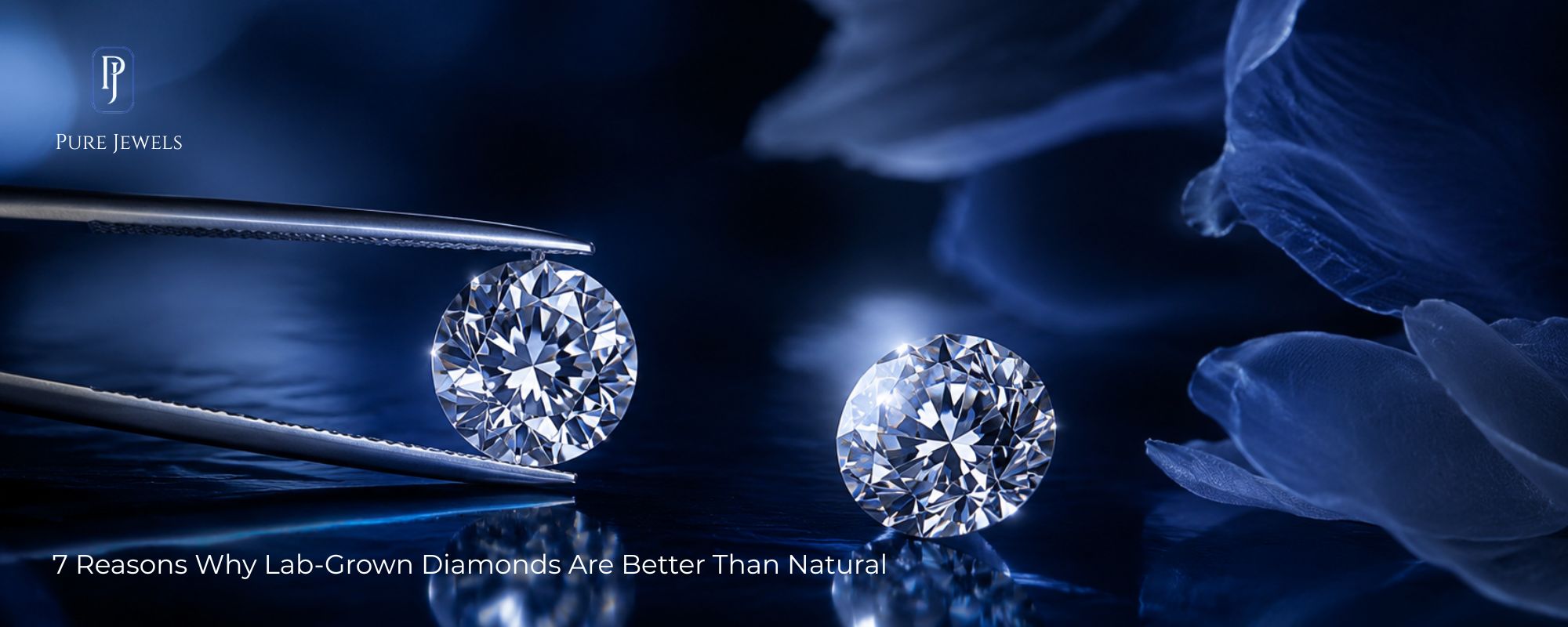
When you’re investing in solitaire jewellery, trust matters just as much as design. Pure Jewels brings together modern craftsmanship and transparency, offering a curated range of lab-grown solitaire pieces that balance elegance with value. Each design is created to highlight the brilliance of a single diamond, clean, refined, and wearable for both special occasions and everyday moments.
What sets Pure Jewels apart is its focus on:
Certified lab-grown diamonds
Clear pricing
Contemporary styles suited for Indian buyers
Whether you’re looking for a solitaire ring, pendant, or earrings, the collection reflects a thoughtful approach to quality without unnecessary markups.
Explore Solitaire Jewellery Collection
FAQs
Can a solitaire diamond be used in jewellery other than rings?
Yes, solitaire diamonds are commonly used in pendants, earrings, nose pins, and even bracelets to offer a minimal yet premium look across different jewellery types.
Which metal is best for solitaire diamond jewellery?
Gold (yellow, white, rose) and platinum are popular choices. Platinum offers durability and a modern finish, while gold provides versatility and a traditional look for Indian buyers.
Do solitaire diamonds look bigger in certain settings?
Yes, settings like halo or thin prongs can enhance the visual size of a diamond. That means it appears larger without increasing the actual carat weight.
Is solitaire diamond jewellery suitable for daily wear in India?
Yes, especially when designed with secure settings like bezel or low-profile prongs. This makes it practical for office wear and regular use.
How do I maintain and clean diamond jewellery at home?
You can clean it using mild soap, warm water, and a soft brush. Regular cleaning helps maintain brilliance by removing oil, dust, and daily residue.
Are solitaire diamonds a good gifting option?
Solitaire diamonds are considered premium gifts for occasions like anniversaries, birthdays, and achievements due to their symbolic meaning and timeless design.
Does the shape of a solitaire diamond affect its appearance?
Yes, shapes like round, oval, and princess cut influence brilliance and size perception. Round cuts maximise sparkle, while oval shapes can appear larger.
Can solitaire diamonds be customised into different designs?
Yes, these diamonds are highly versatile and can be customised into rings, pendants, or earrings with various settings to match personal style and preferences.
Are smaller solitaire diamonds worth buying?
Yes, smaller solitaires offer elegance and affordability. They are ideal for daily wear or first-time buyers without compromising on the overall premium feel.
How is a solitaire diamond different from a certified diamond?
A solitaire refers to the design (single diamond), while certification relates to quality verification. This diamond can also be certified for authenticity and grading.

Contact Us
3rd Floor, Building E-2, F.P.108/P, Naginawadi Road, Opp. RJD Business HUB, Katargam, Surat - 395004.India


Limited Edition Gift with Purchase
A sparkling deal only while supplies last.
Spend ₹1,00,000 or more
and select one of these complimentary gifts
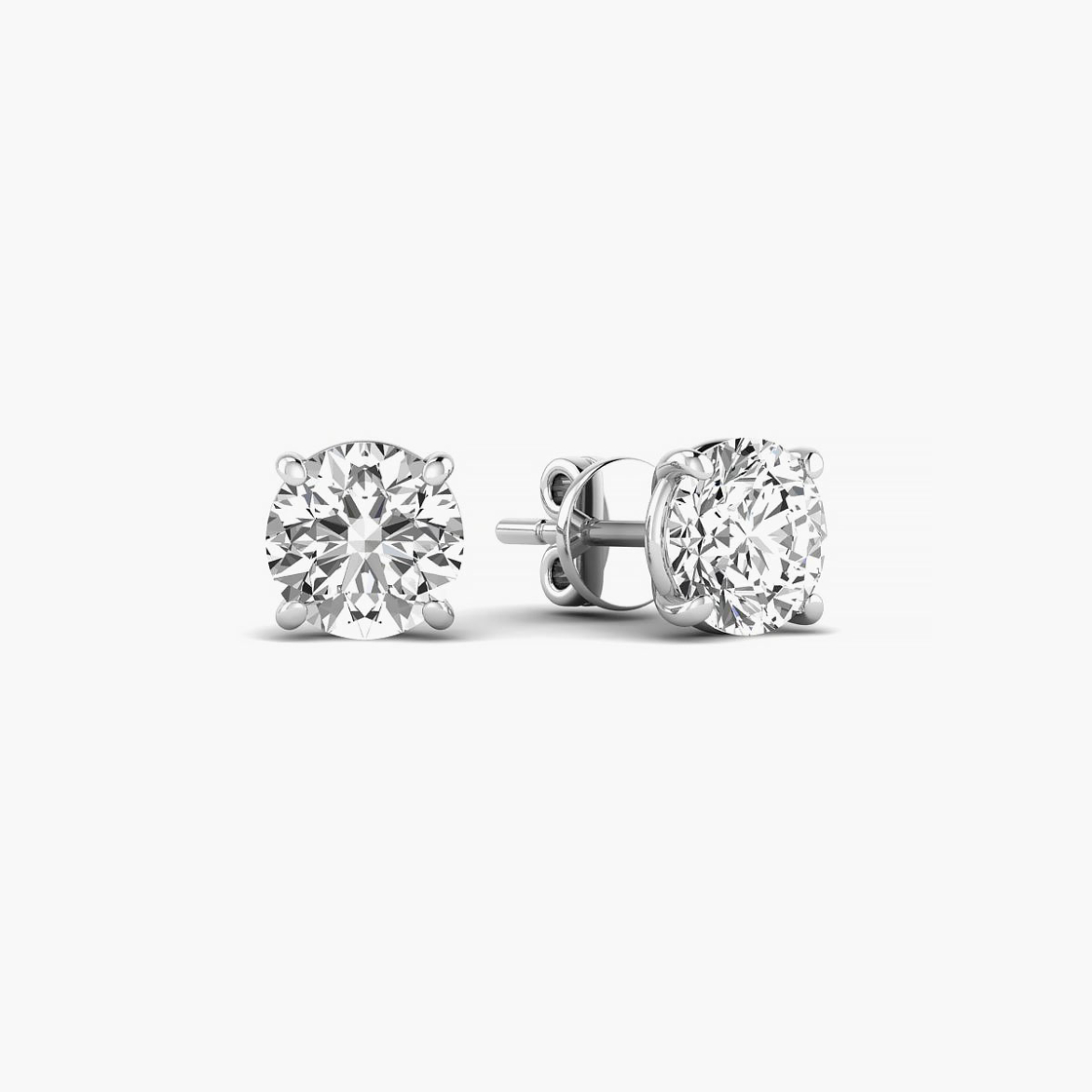
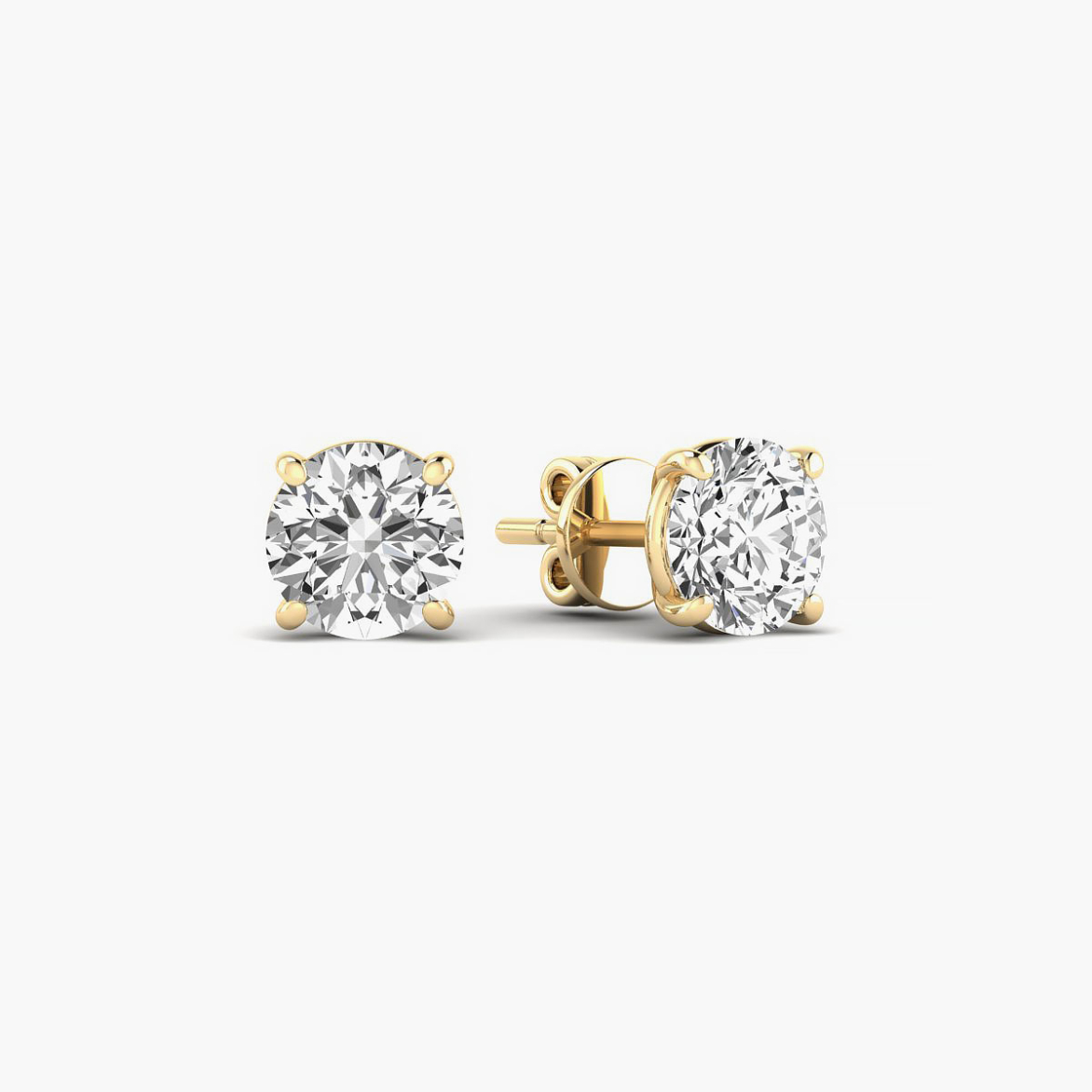
Lab Grown Diamond Stud Earring
14KT White Gold - Gift With Purchase