 Contact Us
 Appointment

Book An Appointment
Get in touch with our jewellery experts for virtual consultation
10 Myths About Lab-Grown Diamonds Indian Buyers Still Believe


.webp)
.webp)
.webp)


 Share on Facebook
 Share on LinkedIn
 Share on WhatsApp

Lab-grown diamonds are real diamonds made of pure carbon, with the same physical, chemical, and optical properties as mined diamonds. The only difference is where they form: in a controlled lab over a few weeks to months, rather than deep underground over millions of years.
Even so, many Indian families still hesitate before buying one. Some worry it is “nakli,” some think it will turn yellow in a few years, and others assume it has no place in a wedding trousseau. Most of these doubts come from old information or from confusing lab-grown diamonds with cheaper stones. Here are the ten myths that come up most often, and what is actually true.
1. “They Are Not Real Diamonds”
This is the biggest misconception of all. A lab-grown diamond is pure carbon with the same crystal structure as a mined diamond, and that structure is what makes a diamond a diamond in the first place.
A diamond is defined by its chemical composition, not by whether it came out of the ground
It has the same hardness, brilliance, and sparkle as a mined stone
It is a diamond in every scientific sense, just with a different origin story
2. “They Are the Same as American Diamond or Moissanite”
In India, “American diamond” usually means cubic zirconia. Cubic zirconia and moissanite are both diamond simulants, which means they are made to look like diamonds without being diamonds.
Simulants do not test as diamonds; a lab-grown diamond tests as a real diamond
They have a different makeup from diamond, which is pure carbon
If a seller cannot clearly tell you which of these you are buying, treat that as a red flag
3. “Anyone Can Spot the Difference by Looking”
Many buyers believe a jeweller or a relative with a “trained eye” can tell the two apart instantly. In reality, nobody can tell a lab-grown diamond from a mined one just by looking, and even an expert cannot do it with a normal microscope.
Only specialised equipment in gemological laboratories can identify a diamond’s origin
Visual quality depends on cut, colour and clarity, not on where the stone formed
Two stones with the same grades will look the same on your hand
4. “They Turn Cloudy, Lose Their Sparkle or Chip Easily”

This myth usually comes from experience with simulants that dull over time. A lab-grown diamond doesn't change colour or lose its shine, and it scores 10 on the Mohs hardness scale, just like a mined diamond.
Diamonds are the hardest material on earth, whether grown or mined
Any dullness you notice is everyday buildup on the surface, not a change in the stone, and a simple clean brings back the sparkle
That durability is why everyday pieces like diamond stud earrings and tennis bracelets stay as bright years later as on the day you bought them.

5. “They Are Not Graded or Certified”
Some buyers think certification is only for mined stones. In fact, lab-grown diamonds are graded on the same 4Cs (cut, colour, clarity and carat) by independent gemological laboratories such as IGI.
A certificate confirms the stone’s grades and identifies it as laboratory-grown
Always ask for the certificate and keep it safe with your invoice
You will need the certificate if you ever want to exchange or sell the piece
6. “Lower Price Means Lower Quality”

Lab-grown diamonds cost noticeably less than mined diamonds of the same size and quality. The savings come from how they are produced, not from any compromise in the stone.
They are grown in weeks to months rather than formed over millions of years
There are no mining or excavation costs built into the price
A lab-grown diamond with the same grades has the same sparkle and durability as a mined one
For the same budget, many buyers choose a bigger or better-graded stone, such as a larger centre diamond in a solitaire ring
7. “They Have Zero Resale Value”
This myth is partly true and partly exaggerated. Lab-grown diamonds do have resale value, but it is generally lower than the original purchase price.
Many jewellers now offer exchange and buy-back programmes on lab-grown pieces
Terms vary widely, so read the policy before you buy, not after
Keep the original invoice and certificate, since most programmes need both
The smarter way to see any diamond is as something to wear and enjoy. Treat a buy-back policy as a safety net, not an investment plan.
8. “They Are Not Suitable for Weddings or Traditional Occasions”

Many families still feel that only a mined diamond belongs in an engagement ring, a mangalsutra, or a shagun gift. But the sentiment of a piece comes from the moment it marks, not from the mine it came from.
Lab-grown diamonds are durable enough for engagement rings and wedding bands that are worn every day
Modern mangalsutra necklaces set with lab-grown diamonds keep the tradition while suiting daily wear
Younger Indian buyers increasingly prefer a conflict-free stone as a lifelong symbol of commitment
If elders in the family have doubts, show them the grading certificate; it settles the “asli ya nakli” question faster than any argument
9. “All Lab Diamonds Are Identical Factory Products”

Because they are grown in labs, some people assume every stone is the same. Lab-grown diamonds are made through two main methods. HPHT (High Pressure, High Temperature) recreates the heat and pressure deep inside the earth. CVD (Chemical Vapour Deposition) grows the diamond from carbon-rich gases around a small diamond seed.
Each diamond is individually cut, polished, and graded
Grades for colour, clarity and cut differ from stone to stone, just as they do with mined diamonds
That is why comparing certificates matters just as much as it does with mined stones
10. “They Are Completely Zero-Impact”
Lab-grown diamonds are conflict-free and need no mining, and producing them uses significantly less water and energy than traditional mining. That makes them the more responsible choice for many buyers, but lower impact is not the same as no impact.
Growing, cutting, and polishing diamonds still produces greenhouse gas emissions
Some jewellers invest in carbon credits to offset part of that footprint
If sustainability matters to you, ask how a jeweller sources its stones and metal; a published sustainability report is a good sign of transparency
How to Check Before You Buy
A quick four-point check works at any jeweller:
Ask for an independent grading certificate and match its details to the stone and the invoice
Confirm the gold is hallmarked, since metal purity matters as much as the diamond
Read the exchange and buy-back terms before paying, including any deduction for a lost certificate
Keep the invoice and certificate together, as most buy-back programmes need both
If you want to understand the science in more depth, this guide on how lab diamonds are made and this explainer on conflict-free diamonds are good next reads.
At Pure Jewels, rooted in over five decades of diamond industry experience since 1968, every piece is SGL certified and crafted in hallmarked gold, 96% of it recycled. Lab-grown diamond jewellery bought from us can be exchanged at 100% of the purchase price within 30 days or sold back at 80% of the invoice value, as set out in our exchange and buy-back policy. That way you know exactly where you stand before you buy.
Frequently Asked Questions
Are lab-grown diamonds real or fake?
Lab-grown diamonds are real diamonds made of pure carbon. They share the same physical, chemical, and optical properties as mined diamonds.
Can a jeweller tell a lab-grown diamond from a natural one?
Not by eye or with a normal microscope. Only specialised equipment in gemological laboratories can identify a diamond’s origin.
Are lab-grown diamonds better for the environment?
They need no mining and use significantly less water and energy than mined diamonds. They are not zero-impact, though, because growing and cutting them still produces emissions.
Do lab-grown diamonds have resale value in India?
Yes, though resale value is usually lower than the purchase price. Many jewellers offer exchange or buy-back programmes, so check the terms before buying.
Is a lab-grown diamond good for an engagement ring? Yes. It scores 10 on the Mohs hardness scale, so it is durable enough for daily wear, and it lets you choose a bigger or better-graded stone within the same budget.

Contact Us
3rd Floor, Building E-2, F.P.108/P, Naginawadi Road, Opp. RJD Business HUB, Katargam, Surat - 395004.India


Limited Edition Gift with Purchase
A sparkling deal only while supplies last.
Spend ₹1,00,000 or more
and select one of these complimentary gifts
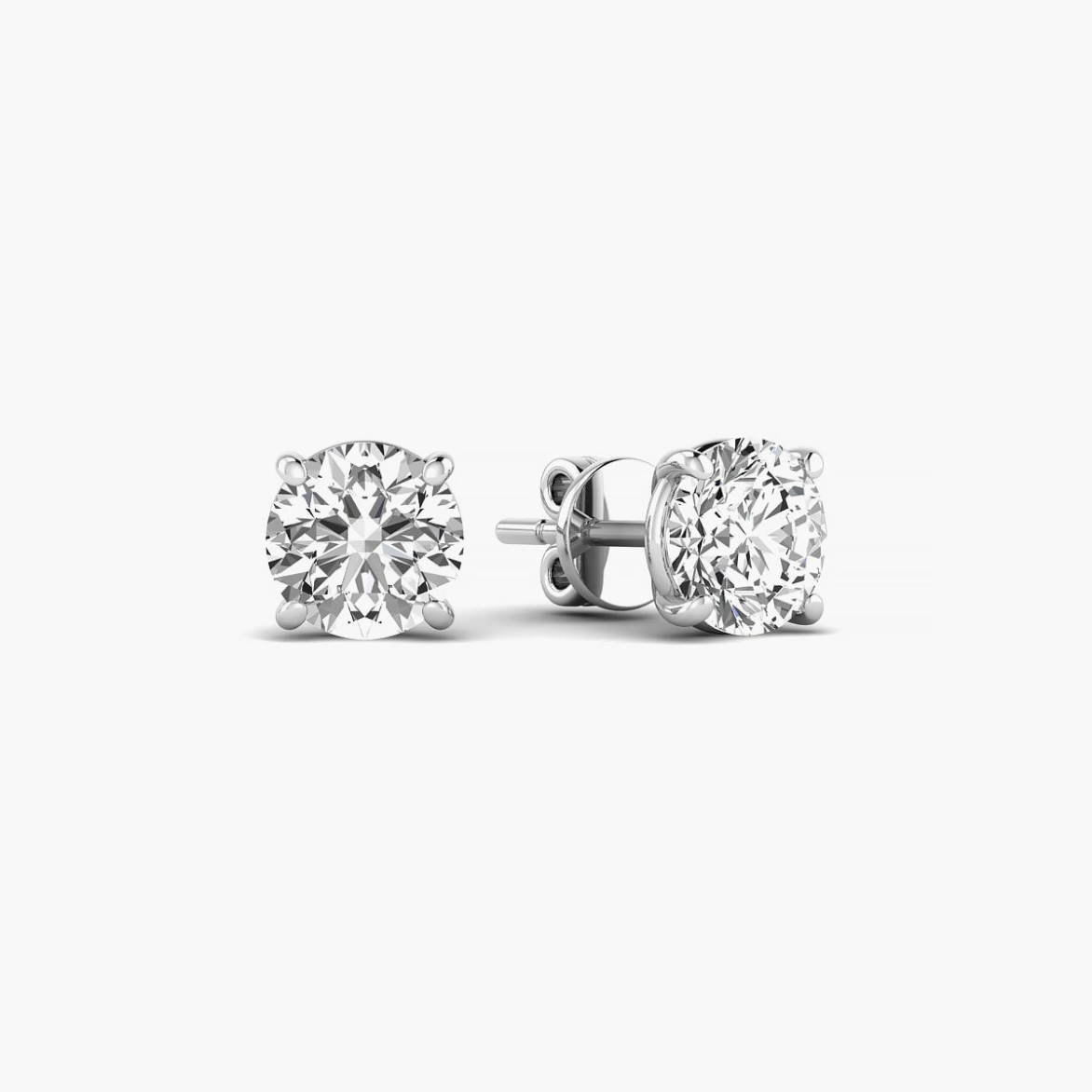
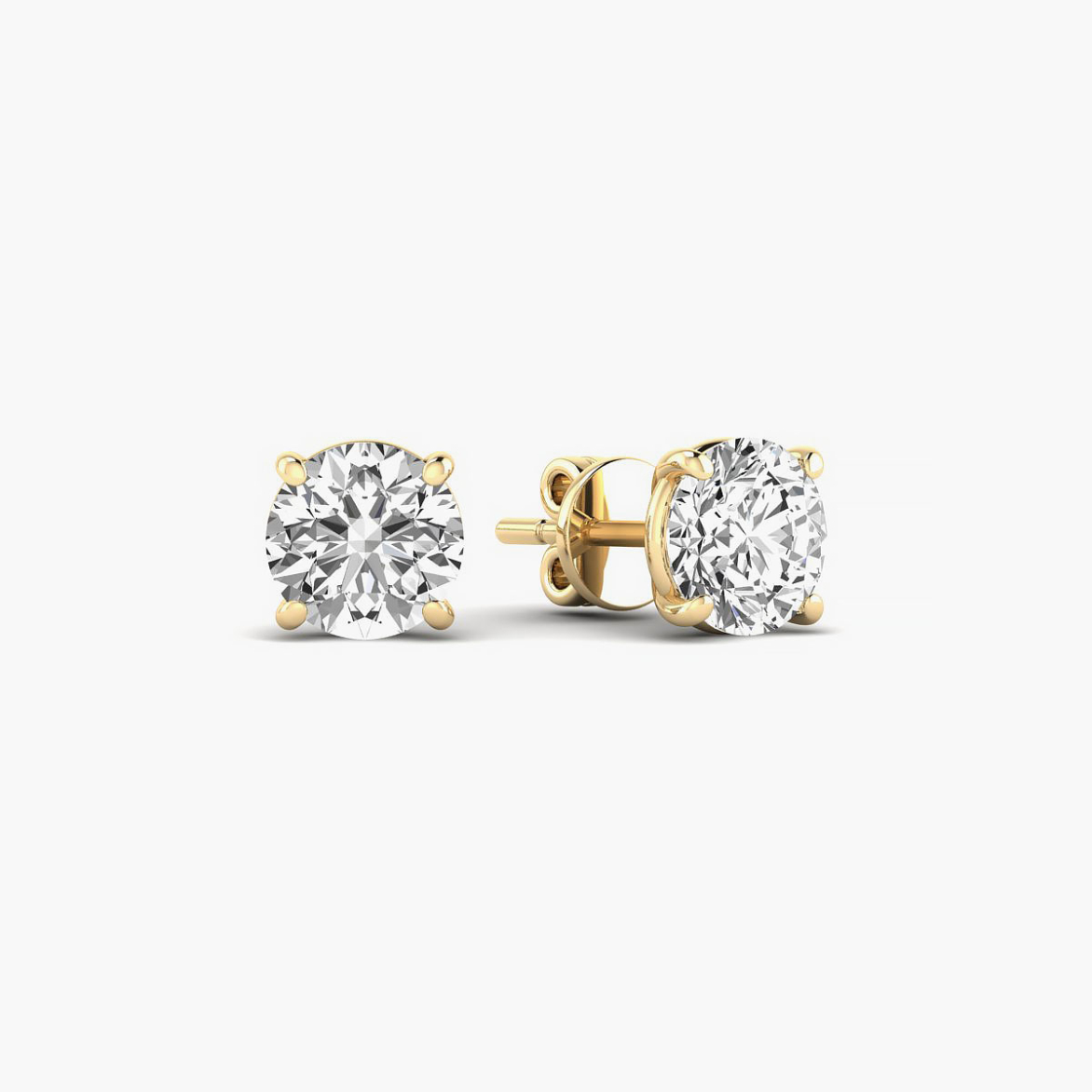
Lab Grown Diamond Stud Earring
14KT White Gold - Gift With Purchase