 Contact Us
 Appointment

Book An Appointment
Get in touch with our jewellery experts for virtual consultation
Diamond Facets Explained: How Cuts Affect Sparkle and Brilliance


.webp)
.webp)
.webp)
.webp)


 Share on Facebook
 Share on LinkedIn
 Share on WhatsApp
Diamond cuts affect sparkle and brilliance because facets, the flat polished surfaces on a diamond's crown and pavilion, control how much light enters the stone and how efficiently that light bounces back to the eye, which is why cut quality influences sparkle more than carat size alone. Two diamonds of the same weight and clarity can look completely different depending on how precisely their facets are angled and aligned.
This distinction matters most when you are comparing rings, pendants, or earrings that look similar in photos but behave very differently under light. Here is what actually determines that sparkle, broken down point by point.
1. What a Diamond Facet Actually Is
A facet is a flat, polished surface cut into a diamond. Every diamond has multiple facets working together to catch light and reflect it back out, and the precision of those angles is what separates a lively, high-brilliance stone from a dull one.
A well-cut diamond has facets proportioned to optimise how light travels through it, not just cut for maximum size retention from the rough stone.
2. The Crown and Pavilion: How Light Enters and Returns
The crown is the upper part of the diamond, above its widest point (the girdle). Its facets act like windows, controlling how much light enters the stone and at what angle.
The pavilion is the lower portion, below the girdle, and its job is to reflect that light out through the top, creating the flashes of brilliance you actually see.
If either the crown or pavilion facets are misaligned, light escapes through the sides or bottom instead of bouncing back to the eye, and the diamond looks noticeably less lively even if it is technically a large stone.

3. Facet Count Changes with Diamond Shape
Facet count is not fixed. A round brilliant cut typically carries around 57 to 58 facets, split roughly 33 on the crown and 24 to 25 on the pavilion, the industry benchmark for maximum light performance.
Princess cuts usually run in the 46 to 54 range depending on the number of chevron facets used. Cushion cuts can vary even more widely, often between 57 and 64 facets, because the shape allows more flexibility in faceting style.
Emerald and other step cuts typically hold 57 to 58 long, parallel facets rather than the small triangular ones used in brilliant cuts. This is why two different shapes at the same carat weight can throw noticeably different amounts of sparkle.
4. How Cut Quality Is Graded
Cut quality is typically graded on a scale from Excellent to Poor, based on proportions, symmetry, and polish rather than shape or size. An Excellent or Very Good grade means facets are cut and aligned to return the maximum amount of light to the eye.
A Fair or Poor grade usually means light is leaking out through the sides or bottom instead of bouncing back, which is why two diamonds with identical carat weight and clarity can look completely different once cut grade is factored in.
Shape describes the outline- round, oval, cushion, princess, emerald, and so on- while cut describes the craftsmanship applied to that shape, so a round diamond with a poor cut grade can still look flatter than a well-cut oval.
5. What Happens When a Diamond Is Cut Too Deep or Too Shallow
A diamond cut too deep lets light escape through the sides of the pavilion instead of bouncing back up, leaving the stone looking dark in the centre. A diamond cut too shallow lets light leak out through the bottom before it can reflect properly, giving the stone a washed-out, glassy look.
A well-proportioned cut keeps that light bouncing internally until it exits through the top, which is what produces genuine fire and scintillation rather than surface shine alone.

6. Brilliance, Fire, and Scintillation Explained
These three terms describe different parts of how a diamond interacts with light, and facets are behind all three. Brilliance is the white light a diamond reflects straight back to the eye.
Fire is the flash of colour you see under direct light, created when facets split white light into its spectrum as it exits the stone. Scintillation is the sparkle that appears as the diamond or the viewer moves, produced by the contrast between bright and dark facets shifting position.
A well-cut diamond balances all three rather than maximising just one, which is why a stone can look bright but still feel flat if scintillation or fire is weak.
7. Faceting Styles: Brilliant, Step, and Mixed Cuts
Facets are not just counted; they are arranged in distinct styles, and each style produces a different look. Brilliant faceting uses triangular and kite-shaped facets designed for maximum sparkle and movement, which is why round, oval, and cushion cuts that use this style tend to hide small inclusions well.
Step faceting uses long, rectangular facets arranged like stairs, producing broader flashes of light rather than intense sparkle, the look associated with emerald cuts. Mixed faceting combines both styles, typically brilliant facets on the crown with step facets on the pavilion, aiming for a balance between sparkle and a cleaner visual line.

8. Lab-Grown Diamonds Are Graded on Facet Precision the Same Way
Lab-grown diamonds are graded on the same 4 Cs (cut, colour, clarity, carat) as mined diamonds, using the same facet and proportion standards.
Pure Jewels India certifies every piece through recognised third-party gemological laboratories such as SGL and IGI, with certification available on request, so the cut quality behind the sparkle is documented rather than assumed.
Facet precision is a manufacturing and craftsmanship outcome, not something tied to whether a diamond originated in the earth or a lab.
9. Choosing the Right Cut for Indian Bridal and Daily Wear
A round brilliant or cushion cut, with higher facet counts, tends to suit lab grown diamond rings and pendants where the goal is maximum sparkle from a single stone, which is why these remain common choices for Indian bridal jewellery and mangalsutra centre stones.
Step cuts like emerald, with fewer, larger facets, suit buyers who prefer clarity and a clean, elegant look, and often work well for statement pendants or earrings. If you are unsure which cut suits your setting, Pure Jewels India solitaire jewellery collection and custom design service are worth exploring alongside expert guidance before you finalise a piece.
10. Facet Count by Shape: A Quick Reference
A higher facet count does not guarantee more sparkle. A well-proportioned stone with a standard facet count will consistently outperform a poorly cut stone with extra facets added to disguise inclusions, since the extra cutting disturbs symmetry rather than improving light return.
11. What to Check Before You Buy
A diamond certificate should document more than carat weight. Look for a cut grade confirming proportions, symmetry, and polish rather than just shape and size; a recognised certifying body such as SGL or IGI grading cut using consistent, documented standards; certification available on request, which signals a jeweller being transparent about what you are actually buying; and clear return and exchange terms, such as a 100 percent exchange policy and a defined return window, that give you room to assess a piece's sparkle in person rather than relying on photos alone.
Frequently Asked Questions
What is the difference between diamond cut and diamond shape?
Shape refers to the diamond outline, such as round or oval, while cut refers to the proportions, symmetry, and polish of its facets, which determine how well it reflects light.
How many facets does a round diamond typically have?
A round brilliant cut diamond usually has around 57 to 58 facets, making it the shape with the most established faceting standard.
Does a higher facet count always mean better sparkle?
Not necessarily. Facet count matters, but proportions and alignment determine whether light is reflected efficiently, so a well-cut stone with fewer facets can outperform a poorly cut one with more.
Are lab-grown diamonds graded on cut the same way as mined diamonds?
Yes. Lab-grown diamonds are graded by recognised gemological laboratories using the same 4 Cs, including cut.
Can I get a diamond cut quality certified before buying?
Yes. Pure Jewels India offers certification for its lab-grown diamond jewellery on request through third-party labs such as SGL and IGI.

Contact Us
3rd Floor, Building E-2, F.P.108/P, Naginawadi Road, Opp. RJD Business HUB, Katargam, Surat - 395004.India

Limited Edition Gift with Purchase
A sparkling deal only while supplies last.
Spend ₹1,00,000 or more
and select one of these complimentary gifts
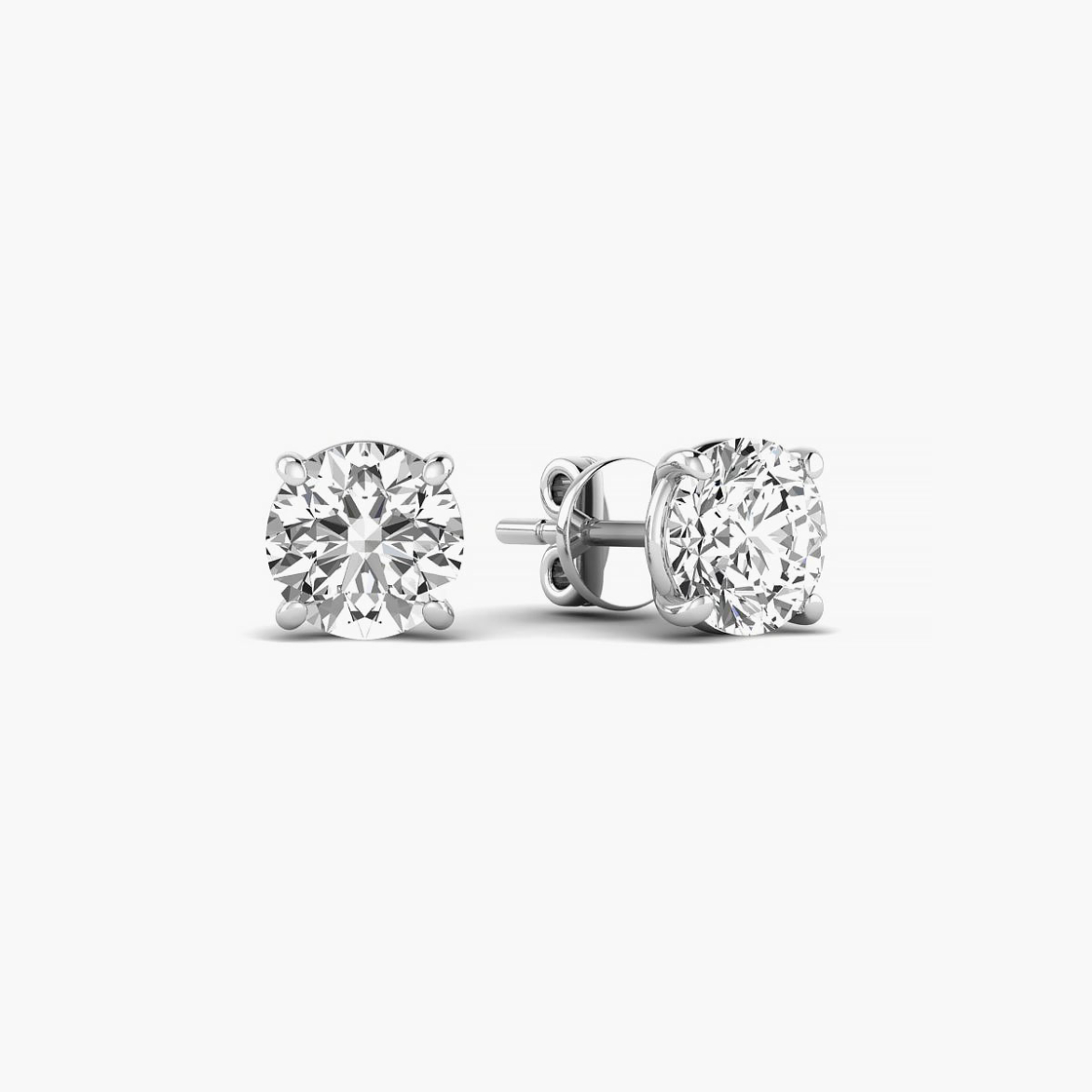
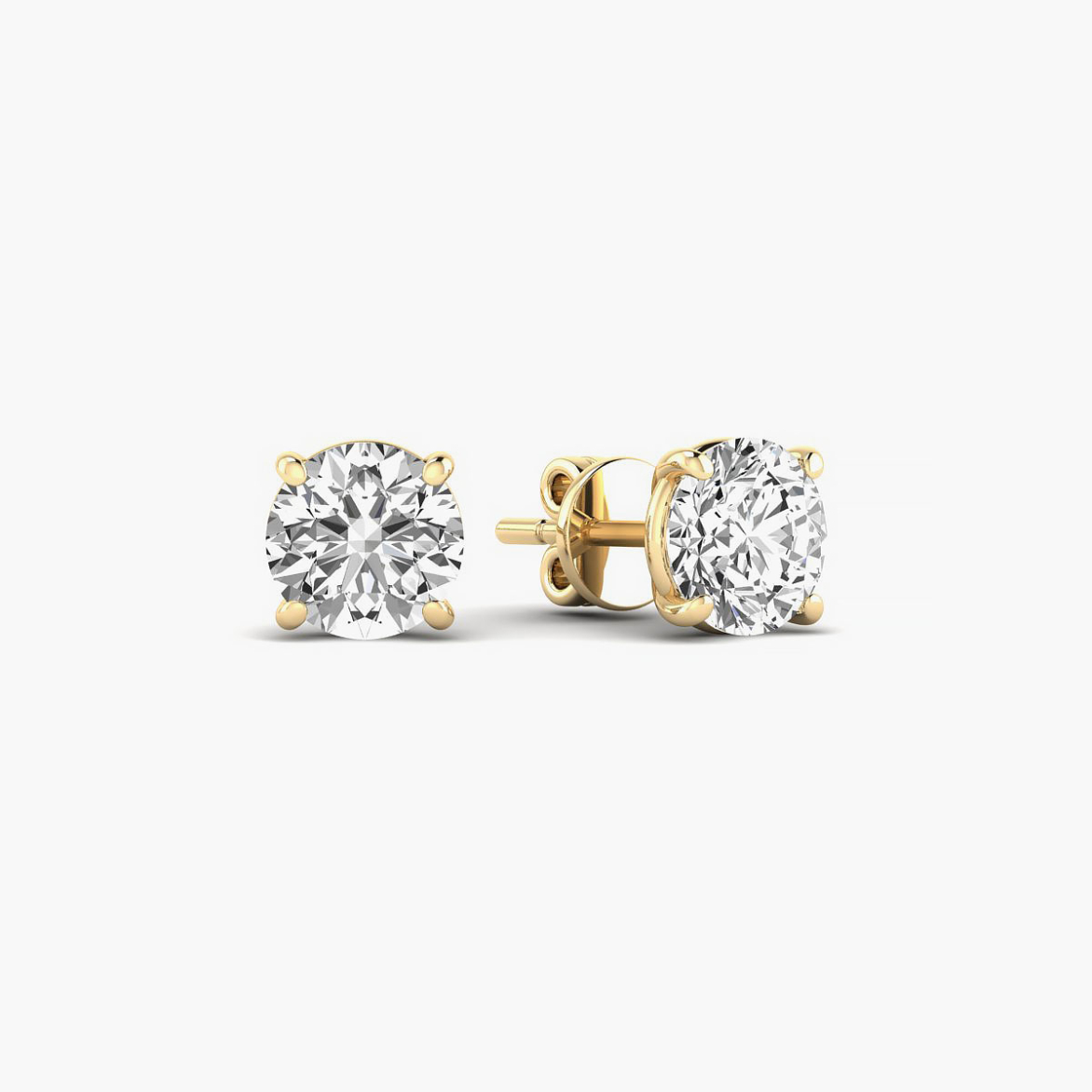
Lab Grown Diamond Stud Earring
14KT White Gold - Gift With Purchase